Rosalia Kastro
 Spain
Spain- Rosalía de Castro: Galician Renaissance Pioneer
- Literary Career
- Poetry
- Prose
- Legacy and Recognition
- Influence on Galician Culture
- International Recognition
Rosalía de Castro: Galician Renaissance Pioneer
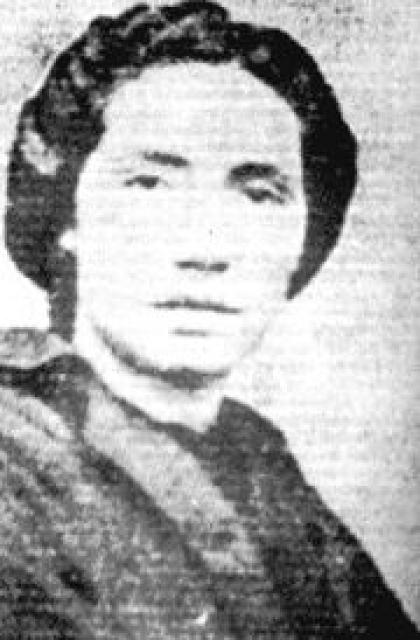
Early Life and FamilyRosalía de Castro was born of unknown paternity and raised by her aunts in a rural village until the age of ten when she moved in with her mother. She later married Manuel Murguía, a renowned Galician writer and historian, and had seven children.
Literary Career
De Castro emerged as a prominent figure in the "Galician Renaissance" of the 19th century. She became a central literary force, writing in both Galician and Spanish. Her works showcased themes of Galician culture, nature, and social issues.
Poetry
Cantares gallegos (1863):A collection of poems written in Galician, capturing the essence of Galician folklore and traditions.
Follas novas (1880):A groundbreaking work in Galician literature, exploring themes of loss, memory, and the longing for an idealized past.
Prose
La hija del mar (1859):A novel written in Spanish, portraying the complexities of female experience and the human condition.
Contos da miña terra (1864):A collection of short stories written in Galician, depicting the lives and struggles of the Galician peasantry.
Legacy and Recognition
De Castro's works have received critical acclaim from renowned poets such as Antonio Machado, Juan Ramón Jiménez, and Federico García Lorca. In 1891, her remains were transferred to the Pantheon of Illustrious Galicians in Santiago de Compostela.
Influence on Galician Culture
De Castro's writings played an instrumental role in shaping Galician identity and reawakening its cultural awareness. Her contributions to Galician language and literature cemented her status as a national icon. The date of her famous work "Cantares gallegos" is celebrated annually as the Day of Galician Literature by the Royal Academy of Galicia.
International Recognition
De Castro's works have been translated into various languages and published worldwide, earning her recognition beyond Galician borders. Her legacy continues to inspire and connect audiences with the Galician cultural heritage.