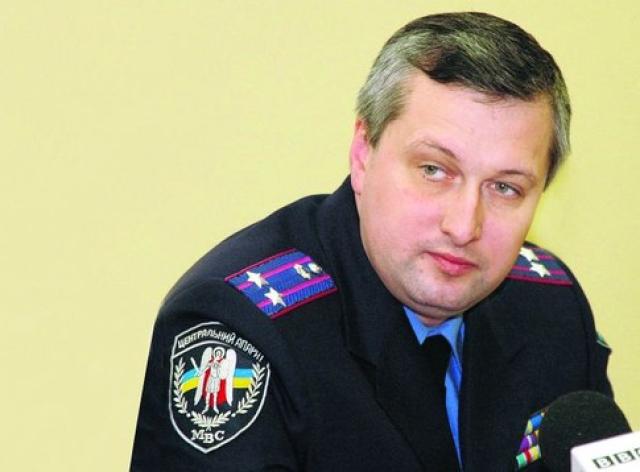
Rostislav Vergeles
 Ukraine
Biography of Rostyslav Vergeles
Rostyslav Vergeles was born on April 12, 1971, in Vinnytsia, Ukraine. He graduated from the Law Faculty of Taras Shevchenko National University. Vergeles began his career in the internal affairs bodies of Ukraine in 1994. He served for three years in the United Nations civilian police in Croatia and East Timor, including as the head of territorial police units.
In September 2004, Vergeles became the Deputy Head of the National Central Bureau of Interpol in Ukraine. From January 1, 2007, he served as the Chief of the NCB. During his tenure, Vergeles personally issued a "red card" with fingerprint impressions of the organizer of the "Elite-Center" Alexander Volkonsky (Shakhov), leading to his extradition from Switzerland to Ukraine. In 2008, Vergeles was dismissed from his position and has since been involved in business ventures. However, he plans to challenge his dismissal.
Insights from Rostyslav Vergeles
Former head of the National Central Bureau of Interpol in Ukraine, Rostyslav Vergeles, revealed insights into the activities of the Interpol and the internal affairs of Ukraine. He explained that Interpol is a relatively closed structure, and information about its operations is often only seen in Hollywood movies. However, Vergeles emphasized that the reality of Interpol's work is far from glamorous.
Vergeles discussed specific cases during his time in the Bureau, including the announcement of former Minister of Internal Affairs, Mykola Bilokon, being internationally wanted. He clarified that Interpol never sought Bilokon because there were no criminal charges against him. Vergeles revealed that the news about Interpol's investigation into Bilokon was orchestrated by the Ukrainian authorities for political purposes, without any legal basis.
He also shared his experience with the case of Igor Bakay, former head of the State Tax Administration, who was allegedly seen in Moscow but not officially confirmed. Vergeles explained that he was ordered to persuade Russian colleagues to arrest Bakay, but his efforts did not yield any results. Eventually, Bakay was detained and then released by Russian authorities due to his Russian citizenship, which prevented his extradition.
Vergeles also expressed concerns about corruption within the Bureau, including allegations of bribery for appointments and extortion from citizens. He claimed that there were instances of unauthorized checks on foreign businesses for personal gain and the illegal sale of Interpol's electronic database. He emphasized that such corruption could have severe consequences and should be addressed.
Expert Reactions
Dmitry Andreev, the Director of the Department of Public Relations and International Relations at the Ministry of Internal Affairs of Ukraine, responded to Vergeles' interview, stating that an internal investigation would be conducted into the allegations. He assured that the ministry takes such matters seriously and would provide updates on the investigation's progress. Andreev emphasized that the ministry is now committed to responding to allegations of misconduct within the police force.
Gennady Moskal, former Deputy Minister of Internal Affairs and Member of Parliament, dismissed Vergeles' claims about leaking information on the search for Bilokon. He denied having any interactions with Vergeles and stated that he assured Bilokon that he was not being sought by Interpol. Moskal also criticized Vergeles' allegations about the stolen Interpol database, referring to them as baseless.
Overall, the interview with Rostyslav Vergeles shed light on the inner workings of Interpol and raised concerns about corruption within the Bureau. The revelations have prompted further investigation and discussions regarding the integrity and professionalism of law enforcement agencies in Ukraine.