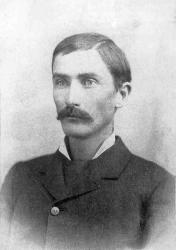
Ward McAllister
 USA
USAAmerican Judge
Ward McAllister was a well-known American judge, who was extremely popular in the mid-19th century. He was one of the most prominent legal figures in New York during that time. McAllister had a keen understanding of complex and convoluted legal processes, which earned him a somewhat controversial reputation.
Early Life and Career
Ward McAllister was born in 1827 into a well-known family involved in the judiciary. Following in the footsteps of his ancestors, he pursued a career in law. In the early stages of his career, during the period known as the Gold Rush, McAllister worked as a lawyer in California. After accumulating sufficient wealth, he embarked on a journey to Europe. His travels to various countries proved fruitful, as McAllister gained valuable insights into European life, the peculiarities of European nobility, their interests, and much more.
Rise to Prominence
Upon returning to the United States, McAllister settled in New York and married an heiress of considerable fortune. Utilizing his wife's wealth, as well as his own connections and influence, Ward gradually became part of the elite circles of society. He soon achieved his goals, becoming an influential lawyer and spending most of his time among the wealthiest individuals in New York. McAllister had a remarkable foresight, always extracting the maximum benefit from any situation and turning circumstances to his advantage. However, his activities, including the outcomes of legal proceedings, often did not sit well with society.
Later Life and Legacy
Ward McAllister lived in New York until the end of his days, enjoying his work and leisurely pursuing his favorite activities. He sparked renewed interest in his persona when he released his autobiography, in which he openly and without reservation shared the story of his life. McAllister passed away in 1885 while having lunch in one of New York's restaurants. Due to his unpopularity with the majority of the city's residents, few mourned his death. Nevertheless, the lawyer remains a significant figure in the history of jurisprudence, and his biography and life journey continue to be subjects of discussion among contemporary lawyers, historians, and philosophers.