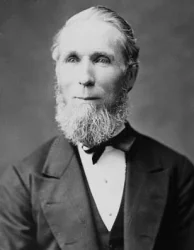
Rudolf Dassler
- From Family Workshop to Sports Shoe Factory
- The Break with Adolf and Birth of Puma
- Building Puma
- Personal Life and Later Years
- Legacy
Rudolf Dassler was a German shoe manufacturer who helped turn a small family workshop into a global sports business. He first built the Dassler Brothers Shoe Factory with his younger brother, Adolf, and later founded Puma after their partnership collapsed. The rivalry between Puma and Adidas became one of the most famous feuds in business, but Dassler’s career was shaped by more than family conflict: it also unfolded under Nazi rule and through the rebuilding of German industry after the Second World War.
From Family Workshop to Sports Shoe Factory
Dassler was born on March 26, 1898, in Herzogenaurach, Bavaria. His father worked in the local shoe industry, and Rudolf trained as a shoemaker before moving into sales and business. His younger brother Adolf, known as Adi, was especially interested in designing and making athletic shoes. In the early 1920s, the brothers began producing sports footwear in their mother’s home. They registered the Gebrüder Dassler Sportschuhfabrik, or Dassler Brothers Sports Shoe Factory, in 1924.
Rudolf handled much of the commercial side of the partnership while Adolf focused on product development. Their shoes were designed for athletes and were used by German competitors at international events. The company grew during the 1930s, when sports and athletic achievement were increasingly used for commercial promotion as well as national prestige.
The Dassler brothers joined the Nazi Party in 1933, after Hitler came to power. Their business operated within the Nazi state and received contracts connected to wartime production. This history is part of the context of their success, not a detail separate from it. During the war, their factory’s operations were affected by military demands and the brothers’ own service and political circumstances.
The Break with Adolf and Birth of Puma
The brothers’ relationship deteriorated during and after the war. They disagreed over business decisions, and their families were also in conflict. Later anecdotes offered different explanations for the break, including a remark supposedly overheard during an air raid, but no single story is firmly established as the cause. Their disagreements culminated in a split between 1947 and 1948.
Rudolf established a separate shoe business in Herzogenaurach, initially under the name RUDA, formed from the first letters of his name. In October 1948, the company adopted the name Puma, and its jumping-cat emblem became one of the most recognizable marks in sportswear. Adolf’s new company would become Adidas. Both businesses remained in Herzogenaurach, across the Aurach River from one another, and the town itself became associated with the rivalry.
Building Puma
Dassler set out to make footwear for speed, traction, and athletic performance. Puma developed specialist running and football shoes, and the company built relationships with coaches and sports organizations. In the late 1940s and early 1950s, Dassler worked with German football figures on boots fitted with replaceable studs, designed to improve grip on changing playing surfaces. The company also expanded into clothing and equipment as the market for sportswear grew.
Puma’s identity depended on both technical products and the visibility of athletes wearing them. The company supplied competitors in football and track and field, and its products appeared at international events. Athletic endorsements helped the brand reach consumers beyond Germany and made the founder’s emphasis on performance part of Puma’s public image.
The split with Adolf turned business competition into a personal and civic divide. Employees, families, and residents of Herzogenaurach often aligned with one company or the other. The rivalry strengthened the identity of both brands, though it also reflected a family conflict that lasted for decades.
Personal Life and Later Years
Dassler remained the leading figure at Puma for the rest of his life. His son Armin later took over the company, helping guide it through a period of international growth. The family’s business continued to expand beyond shoes, while sports branding became an increasingly important part of modern consumer culture.
Rudolf Dassler died in Herzogenaurach on October 27, 1974, aged 76. His brother Adolf survived him by four years. The brothers remained estranged, and their companies continued to compete after their deaths.
Legacy
Dassler’s significance lies in his role in the development of the modern sportswear industry. Alongside Adolf, he helped establish the idea that specialized footwear could be designed around the needs of particular sports and marketed through elite athletes. Puma became a major international brand under the company he founded.
His biography also reflects the complicated history of German business in the twentieth century. The Dassler brothers’ commercial success began before the war, continued under a dictatorship in which they were party members, and expanded in the postwar economy. Their family rupture gave rise to two competing companies whose rivalry became part of popular culture. The Puma cat and the Adidas stripes remain visible reminders of the partnership that began in one small Bavarian town and ended with a split that reshaped the sports industry.