Rudolf IV
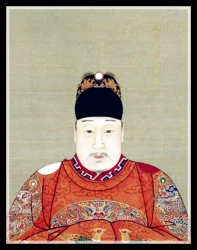
Rudolf IV, Duke of Austria, was a bold Habsburg ruler who set out to make his dynasty and its lands more prominent within the Holy Roman Empire. Known as “the Founder,” he strengthened Vienna as a political and cultural center, founded its university, and began major works at St. Stephen’s Cathedral. His ambitions also produced a celebrated forgery designed to claim a higher rank for the Habsburgs.
A Young Duke Takes the Reins
Rudolf was born in Vienna on November 1, 1339, the eldest son of Duke Albert II of Austria and Joanna of Pfirt. He married Catherine of Bohemia, daughter of Emperor Charles IV, in 1356. When his father died in 1358, Rudolf became ruler of the Habsburg lands, initially sharing authority with his younger brothers.
He proved energetic and politically ambitious. In 1363, he secured control of Tyrol after its countess Margaret agreed to transfer the territory to the Habsburgs. This added a strategically important region to the family’s possessions and helped connect their lands across the Alps.
Building Vienna’s Prestige
Rudolf worked to elevate Vienna as a seat of learning and power. In 1365, he founded the University of Vienna, known as the Alma Mater Rudolphina. It became one of the earliest universities in the German-speaking world. He also supported the expansion of St. Stephen’s Church, whose grand Gothic architecture helped express the growing importance of the city.
These projects were part of a wider effort to enhance Austria’s standing. Rudolf developed his court’s ceremonial life, pursued administrative reforms, and sought privileges that would place his family on a footing closer to the leading princes of the empire. His initiatives earned him the lasting epithet “the Founder.”
The Privilegium Maius
Rudolf’s most controversial political maneuver was the Privilegium Maius, a collection of forged documents created around 1358–59. The texts claimed ancient rights for Austria and attempted to elevate its ruler to the rank of archduke, giving the Habsburgs a position comparable to the empire’s most powerful princes.
Emperor Charles IV, Rudolf’s father-in-law, did not accept the documents as valid. Still, the forgery had a long afterlife. Later Habsburg rulers continued to use its claims, and the title of archduke eventually became firmly attached to Austria. The episode reveals Rudolf’s determination to use history, ceremony, and legal argument as tools of state-building.
Death and Legacy
Rudolf died in Milan on July 27, 1365, aged only 25. He left no surviving children, and his brothers continued to govern the Habsburg lands. Though his reign was short, he had made lasting changes to the dynasty’s profile and Vienna’s institutions.
His legacy is a blend of genuine foundations and calculated invention. The university and the cathedral remain visible reminders of his patronage, while the Privilegium Maius shows how far he was willing to go to raise Habsburg status. By combining urban development, territorial expansion, and dynastic ambition, Rudolf helped shape the future of Austria and its ruling house.