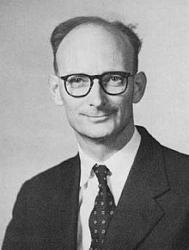
Samuel Butler
 Great Britain
Biography of Samuel Butler
Samuel Butler was an English philosopher, writer, musician, artist, and theologian. He was born the son of a clergyman and received his education at the Shrewsbury School. He later attended St. John's College, Cambridge, where he completed his studies in 1858.
Career and Emigration
After graduating from university, Butler initially pursued a career in the clergy. However, he later decided to abandon this path. In 1859, he emigrated to New Zealand, where he became involved in sheep farming and promoted the ideas of Charles Darwin in local newspapers. Successful in his sheep farming endeavors, Butler doubled his capital and returned to England in 1864.
Literary Works
Throughout his life, Butler wrote numerous novels and essays. Some of his notable works include "Erewhon" (1872), a satirical novel that critiques bourgeois society, "The Fair Haven" (1873), "Alps and Sanctuaries" (1881), "Ex Voto" (1888), "Authoress of Odyssey" (1897), "Shakespeare's Sonnets Reconsidered" (1899), "Erehwon Revisited" (1901), "The Way of All Flesh" (1903), an autobiographical novel published posthumously, "Essays on Life, Art, and Science" (1904), and "Note-Books" (1912), which were published after his death. Butler also translated Homer's "Odyssey" and "Iliad".
Death
Samuel Butler passed away on June 18, 1902, in London. His works continue to be recognized for their insightful commentary on society, art, and science.