
Sharon James
 Great Britain
- Sharon James: Embracing a Life with Sturge-Weber Syndrome
- Finding Strength in Support
- Coping and Acceptance
- Sturge-Weber Syndrome
Sharon James: Embracing a Life with Sturge-Weber Syndrome
A Birthmarked LifeSharon James, a 38-year-old British woman, was born with a rare neurological condition known as Sturge-Weber Syndrome (SWS). This has resulted in a distinctive port-wine stain birthmark that covers most of her body, including her face, limbs, and torso.

Growing up, James faced relentless ridicule and hurtful comments from strangers and even acquaintances. People would call her names like "strawberry shortcake" and question why she would ever leave the house looking the way she did. These cruel remarks often reduced her to tears.
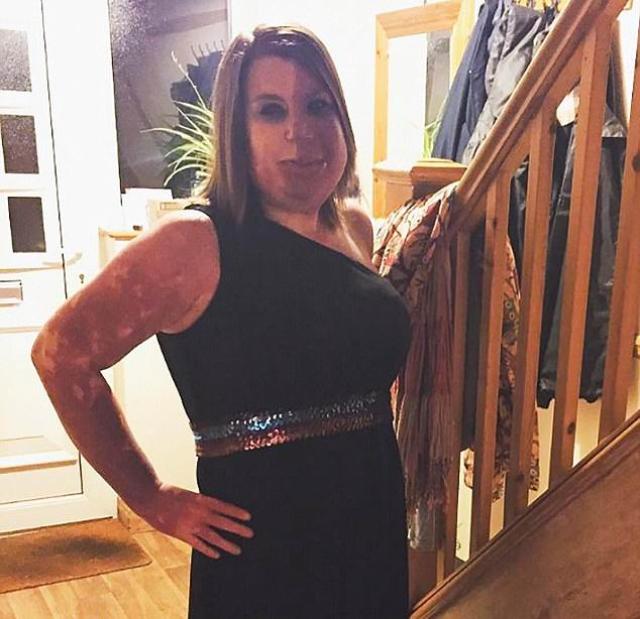
Finding Strength in Support
James' older brother, Paul, became her protector during those difficult school years. "He and his friends would go and tell the kids who were bullying me to leave me alone, and they never bothered me again," James recalled.
As she became an adult, James realized that the words of sympathy from strangers were often more hurtful than helpful. "They never understand what it really means," she said. "It makes me feel a bit patronized. When people tell me I'm brave, it belittles me."
Instead of hiding her birthmark, James decided to embrace it. "I'm not brave," she declared. "The brave ones are the burn victims and the disfigured people. I just have a birthmark."
Coping and Acceptance
Despite the challenges she faced, James maintained a positive attitude, thanks in part to the unwavering support of her parents, Joyce and Phillip. They never treated her any differently than her brother and encouraged her to ignore the stares of others.
"My mom never hid me or my birthmark away," James said. "We would go to the beach on the weekends, and I would be there in my birthmark, and she would make me feel like it didn't matter what people looked like."
Sturge-Weber Syndrome
SWS is a rare condition caused by an overgrowth of blood vessels near the skin's surface. It can also affect the brain and eyes, leading to neurological symptoms such as seizures and developmental delays. The exact cause of SWS is unknown, and there is no cure.
Treatment options for SWS may include anticonvulsant medications, surgery to correct eye problems, and therapy to address developmental delays.


