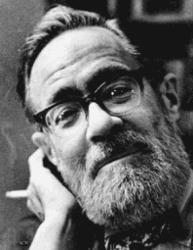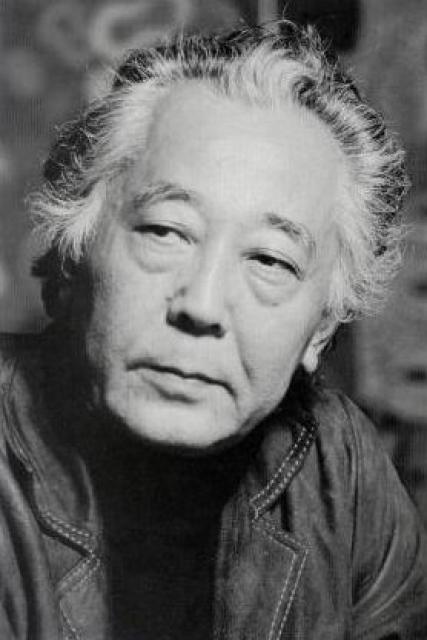
Shuichi Kato
 Japan
Japan- Shuichi Kato: A Literary Luminary of Japan
- Early Influences and Literary Explorations
- Witnessing the Devastation of War
- Ascendancy in Literary Criticism
- Hybridity and Cultural Analysis
- Social Activism and Contributions to Literature
- Legacy and Recognition
Shuichi Kato: A Literary Luminary of Japan
Shuichi Kato, a renowned Japanese literary and cultural critic, emerged from Tokyo's Shibuya district, born into a prominent medical family.
Early Influences and Literary Explorations
In 1943, Kato graduated from the medical faculty of Tokyo Imperial University. During his student years, he delved into literature, forming the experimental "Poetical Dawn" group with Shinichiro Nakamura and Takekiho Fukunaga. Their ventures, including attempts at rhyming poetry, reshaped contemporary Japanese poetry.
Witnessing the Devastation of War
Amidst the turmoil of World War II, Kato avoided military conscription due to pleurisy. Post-war, he served a humanitarian role in the Japanese-American commission investigating the広島's atombombing. This experience deeply impacted his understanding of the war's devastation.
Ascendancy in Literary Criticism
Kato gained significant literary recognition with the 1947 joint publication "1946: Reflections on Literature." That same year, he joined the avant-garde magazine "Modern Literature." In 1951, a grant took him to France, where he pursued both hematological research and prolific literary criticism. His exposure to Marxism during this period shaped his subsequent writings.
Hybridity and Cultural Analysis
Upon his return, Kato published "The Hybridity of Japanese Culture" (1956), a seminal work that explored Japan's complex cultural identity from a Marxist perspective. Abandoning his medical practice in 1958, he fully embraced literary and cultural criticism.
Social Activism and Contributions to Literature
During the 1959-1960 social unrest, Kato vehemently opposed the proposed security treaty. In 1960, he delivered lectures on classical Japanese literature at the University of British Columbia, which later formed the basis of his "Introduction to the History of Japanese Literature" (1975).
Kato also edited the "Heibonsha World Encyclopedia," contributing seminal articles on subjects ranging from Japanese literature to notable figures. From 1979 until his death, he maintained a regular column in the "Asahi Shimbun" newspaper.
Legacy and Recognition
From 1988 to 1996, Kato served as director of the Tokyo Metropolitan Central Library. His collected works, spanning 24 volumes, have been extensively republished by Heibonsha. Kato passed away in 2008, leaving behind a profound legacy in Japanese literature and thought. His influence continues to inspire contemporary cultural discourse in Japan and beyond.