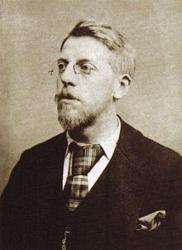
Simone Cantarini
 Italy
Italy- Simone Cantarini: A Master of the Italian Baroque
- Early Influences and Training
- Wanderlust and Patronage
- Characteristics of His Style
- Notable Works
- Legacy and Impact
Simone Cantarini: A Master of the Italian Baroque
Born in Italy, Simone Cantarini emerged as a prominent Italian painter during the Baroque period.
Early Influences and Training
Cantarini initially drew inspiration from the Venetian masters, but his artistic trajectory took a significant turn when he became a pupil of the renowned Guido Reni in Bologna. Under Reni's tutelage, he honed his skills and eventually established his own flourishing school within the city.
Wanderlust and Patronage
Beyond Bologna, Cantarini's artistic talents were sought after in various Italian cities, including Rome, Mantua, and Verona. His patrons commissioned works that showcased his refined draughtsmanship and mastery of composition.
Characteristics of His Style
Cantarini's paintings are characterized by their meticulous attention to detail and skillful execution. However, he often exhibited a lack of harmony in tonal transitions and a tendency towards cool colors, which gave his works a distinctive aesthetic.
Notable Works
Cantarini's most celebrated works include the "Holy Family," which resides in the Hermitage Museum in St. Petersburg. He also gained recognition as an engraver, with his 37 engravings in the style of Guido Reni demonstrating his exceptional draftsmanship and technical proficiency.
Legacy and Impact
Simone Cantarini played a significant role in the Italian Baroque movement, contributing to its vibrant artistic landscape and influencing subsequent generations of artists. His legacy continues to inspire admiration for his mastery of technique, even if his stylistic approach may not align with contemporary tastes.