Sonny Sonny Rollins
 USA
USA- Biography of Sonny Rollins
- Early Life and Musical Career
- The Height of His Career
- The Return and Later Career
Biography of Sonny Rollins
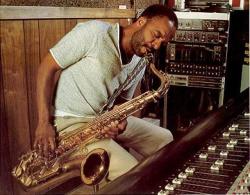
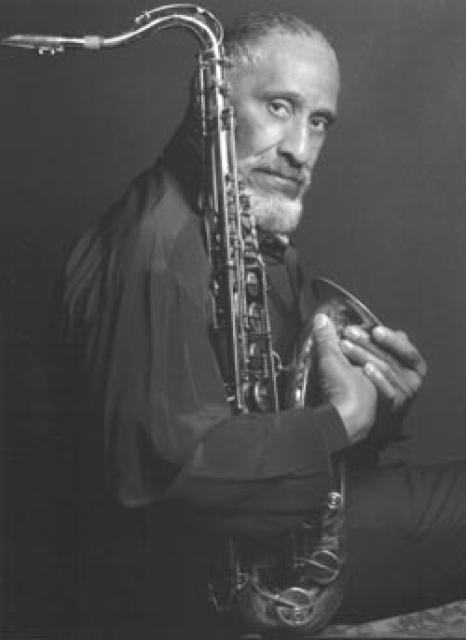
Sonny Rollins, born Theodore Walter Rollins in 1930 in New York City, is a legendary American jazz musician who has remained a true jazz giant for many decades. His brilliant performances have been referred to as the "Rollins melody." Periodically stepping away and returning, making people wait and surprising them with new improvisations, he has created an unique and distinctive image for himself.

Early Life and Musical Career
Sonny Rollins began his musical journey from an early age. He started with piano lessons but later switched to the alto saxophone while attending school. Eventually, in 1946, he settled on the tenor saxophone. Sonny's undeniable musical talent allowed him to enter the jazz world almost immediately, and in 1949, he released his first album, "Weird Lullaby." This album was made in collaboration with the legendary musician and vocalist Babs Gonzales. In the same year, Sonny had the opportunity to work with notable jazz musicians such as J.J. Johnson, Bud Powell, and Fats Navarro.

Within a few years, Rollins was recording with Miles Davis, Charlie Parker, and Thelonious Monk. His saxophone can be heard on the iconic and classic albums "Miles Davis and Horns" and "Dig" by Davis and "Thelonious Monk and Sonny Rollins" and "Monk" by Monk in the early 1950s. In 1953, Sonny recorded his own album titled "Sonny Rollins with the Modern Jazz Quartet" on the "Prestige" label. He remained with this record company until the late 1950s, releasing nearly a dozen albums under their label.
The Height of His Career
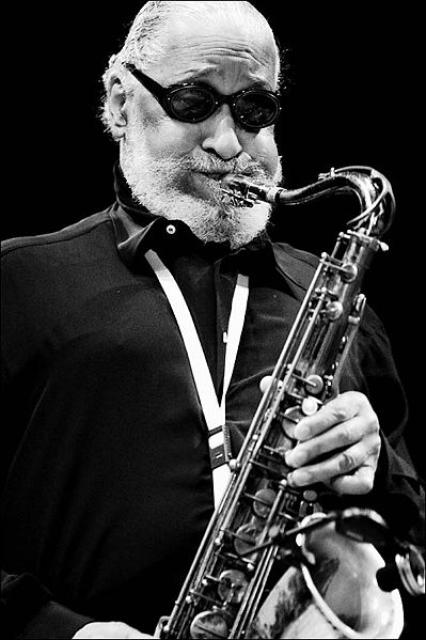
Sonny Rollins' work in the late 1950s deserves special mention as he created his most brilliant improvisations that have become jazz classics. Jazz critics praised Sonny in 1959 for his ability to break down the melodic theme into ornamental elements and work with each element of this musical pattern, while the usual jazz method at that time was to use chord progressions. At the peak of his mastery and popularity among jazz enthusiasts, Sonny earned the title of the greatest tenor saxophonist before the arrival of the great John Coltrane. The recording "Tenor Madness," featuring both Rollins and Coltrane, sparked debates over who outperformed whom. However, most agreed that Sonny emerged as the victor. Yet, John Coltrane's role in jazz cannot be underestimated, as he is rightfully regarded as one of the greatest.

The Return and Later Career
In 1959, many jazz musicians and fans were shocked when Sonny announced his decision to retire from music. However, he made a comeback in the early 1960s with the album "The Bridge," recorded on the "RCA Victor" label with guitarist Jim Hall, bassist Bob Cranshaw, and drummer Ben Riley. Critics noted that after his hiatus, Sonny's playing became more eccentric, but this did not hinder him from once again reaching the top of jazz ratings. However, his second return was met with mixed reviews as his music incorporated noticeable rhythm and blues influences and popular styles. Additionally, his recordings were not always deemed flawless, often attributed to working with orchestras of varying caliber. Nevertheless, Rollins remained an unparalleled soloist, and his saxophone continued to have few equals.
Sonny Rollins returned to the jazz scene in the 1970s and remained active throughout the 80s, 90s, and 2000s. During this time, he released over two dozen studio albums. At the age of 75, Sonny received the Jazz Awards and was recognized as the "Musician of the Year" and "Saxophonist of the Year." Today, Rollins' name stands alongside the likes of Coleman Hawkins, Lester Young, and John Coltrane as jazz legends.