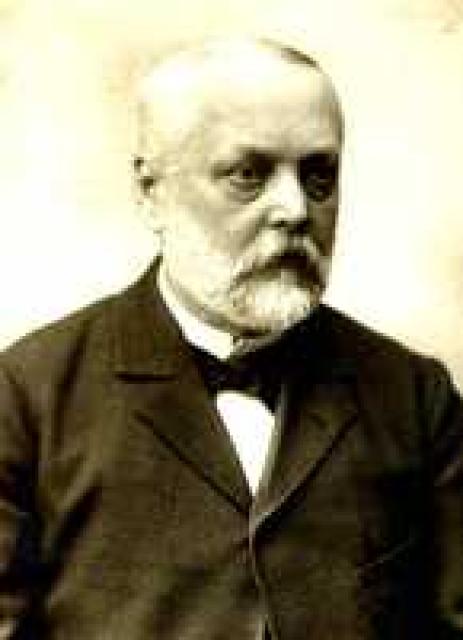
Stanislaw Kozmian
 Poland
- Stanisław Koźmian
- Early Life and Education
- Literary Contributions
- Theatrical Leadership
- Historical and Political Writings
- Legacy and Influence
Stanisław Koźmian
Stanisław Koźmian (1836-1922) was a renowned Polish writer, theatrical director, and grandson of Kajetan Koźmian. His multifaceted career left a lasting impact on Polish literature, theater, and politics.
Early Life and Education
Born in Krakow, Koźmian pursued his education in renowned institutions across Europe: Krakow, Bonn, and Paris. His intellectual curiosity and passion for knowledge shaped his future endeavors.
Literary Contributions
As a prolific writer, Koźmian played a significant role in Polish literature. His notable works include his political satire "Teka Stańczyka" (1869), written in collaboration with eminent figures like Józef Szujski and Stanisław Tarnowski. He also served as an editor for the Krakow-based newspaper "Czas" (1863-1865) and co-founded the journal "Przegląd Polski" (1866).
Theatrical Leadership
In 1871, Koźmian became the director of the Kraków Theater, where he transformed the institution into a cultural powerhouse. Under his guidance, the theater's artistic caliber surpassed that of the renowned Lviv Theater.
Historical and Political Writings
Koźmian's keen interest in history and politics is evident in his significant works. "Listy o Galicyi do Gazety Polskiej" (1877), "Ludwik Wodzicki" (1894), and "Rzecz o roku 1863" (1895-1896) provide valuable insights into the political and social landscape of his time. His writings on the 1863 January Uprising, published in Polish and German as "Das Jahr 1863. Polen und europäische Diplomatie," remain influential historical accounts.
Legacy and Influence
Stanisław Koźmian's enduring legacy rests on his contributions as a writer, theatrical director, and political commentator. His perspectives on Polish history and culture continue to resonate with scholars and the public alike. His works serve as a testament to his intellectual rigor, artistic sensibilities, and unwavering patriotism.


