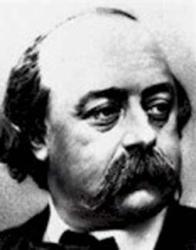
Stephanie Felicite Genlis
 France
- Félicité de Genlis: A Literary Figure of the Enlightenment and Beyond
- Royal Governess
- Author of Sentimental Novels
- Role in the French Revolution
- Emigration and Literary Success
- Later Years and Legacy
Félicité de Genlis: A Literary Figure of the Enlightenment and Beyond
Early Life and EducationFélicité de Genlis was born into a noble family in 1746. Her education was limited, but she developed a keen interest in writing and learning. At the age of 15, she married the Comte de Genlis.
Royal Governess
In 1770, the Duc de Chartres appointed Félicité de Genlis as governess to his children, including the future King Louis Philippe I and his sister Adélaïde. As a governess, she employed innovative teaching methods, using magic lanterns, puppet shows, and gymnastics to entertain and educate her charges.
Author of Sentimental Novels
Félicité de Genlis's first literary works were pedagogical and educational treatises. However, she soon gained fame for her sentimental novels, such as "Adèle et Théodore, ou Lettres sur l'éducation" (1782) and "Les Veillées du château, ou Cours de morale à l'usage des enfants" (1784). These novels, written in a lively and witty style, were immensely popular throughout Europe.
Role in the French Revolution
During the French Revolution, Félicité de Genlis played an active role, aligning herself with the Girondins. She wrote pamphlets advocating constitutional reform and frequented Jacobin clubs. However, as the Revolution escalated, she fled France and spent several years in exile.
Emigration and Literary Success
In exile, Félicité de Genlis continued to write. Her novel "Les Chevaliers du Cygne, ou La cour de Charlemagne" (1795) became a best-seller. Upon her return to France in 1801, she was initially welcomed by Napoleon Bonaparte, but her outspoken criticism of his regime led to her dismissal from government favor.
Later Years and Legacy
After the restoration of the Bourbons, Félicité de Genlis became a prominent figure in royalist circles. She published numerous novels, plays, and historical works, many of which were translated into various languages. Her memoirs, "Souvenirs de Félicie" (1825), provide an entertaining and often self-serving account of her life.
As a writer, Félicité de Genlis was a skilled entertainer, deftly catering to the tastes of her readership. While her works lack the literary depth of other Enlightenment thinkers, they offer a valuable glimpse into the social and intellectual milieu of her time.