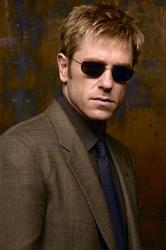
Stiv Ferst
- Steve Furst: A Recognizable Comic with a Diverse Career
- A Foray into the World of Theatre
- The Charismatic Appeal of Orange
- The Allure of Theatre
- Legitimizing Credentials
- The Relevance of "Chicken Soup with Barley"
- A Memorable Performance
- A Disappointing Theatrical Experience
- The Impact of Reviews
- A Deep-Seated Desire for Villainy
- The Elusive Nature of Fame
- The Importance of Talent and Funding
- Expanding Filmography
- A Shared Sense of Humor
- The Uniqueness of British Humor
Steve Furst: A Recognizable Comic with a Diverse Career
A Career Intertwined with LaughterWith his unforgettable features—a white, mime-like face adorned with large lips, a wide mouth, and piercing eyes framed by a mop of pale eyelashes—Steve Furst has become an iconic figure in British comedy. For years, his mere presence on screen or stage has elicited laughter from audiences nationwide.
Away from the spotlight, Furst is not one for constant jokes. However, his role in the acclaimed Orange mobile network commercials alongside Brendan Brown propelled him into the public consciousness, making him a household name for anyone who frequented British cinemas or turned on their televisions.
Furst's career has encompassed stand-up comedy, live club shows, and television appearances. His satirical alter-ego, Lenny Beige, has poked fun at various celebrities. His filmography includes "St. Trinian's," "Malice in Wonderland," and "How to Lose Friends & Alienate People." On television, he has graced the screens in "Lenny Beige Variety Pack" and "Little Britain." In 2012, he appeared in the film "The Knot."
A Foray into the World of Theatre
In recent years, Furst has found himself increasingly drawn to the stage. In 2011, he took to the West End in the play "Wet Weather Cover." This year, he performed at the prestigious Royal Court Theatre in Chelsea, London, as the Hungarian immigrant Kovacs.
The Charismatic Appeal of Orange
Despite his widespread recognition from the Orange ads, Furst remains unbothered by any annoyance it may cause. In fact, he fondly recalls the experience as the most enjoyable job he has ever had, offering him glamorous locations, first-class travel, and the opportunity to work with renowned actors.
While the advertising campaign was highly successful, it came to an end after six years due to a change in concept. Furst has expressed some reservations about the new commercials, which he has heard have been met with less enthusiasm from the public. Nevertheless, he appreciates the recognition the ads bring him, citing positive interactions with fans who express their appreciation for his work.
The Allure of Theatre
Furst's increasing involvement in theatre is not driven by financial gain but by the prestige and the opportunity to develop as an actor. Despite the comparatively low pay, it provides him with the chance to collaborate with talented individuals and add to his impressive resume. Performing at the Royal Court Theatre, in particular, carries significant weight in the acting world.
Legitimizing Credentials
Furst recognizes the importance of gaining recognition as a serious actor, and theatre offers him this opportunity. He believes that securing a role at the Royal Court Theatre is both a privilege and an endorsement of his abilities. He appreciates the opportunity to learn from experienced stage actors and immerse himself in the theater's rich history.
The Relevance of "Chicken Soup with Barley"
Furst's involvement in "Chicken Soup with Barley" also resonates with his personal background. Written by Arnold Wesker, the play explores the themes of political disillusionment and the importance of holding onto one's beliefs. Furst's character, the pessimistic Karl, echoes his own family history. His father, a Jewish émigré from Hungary, escaped the country during the political upheavals of 1967.
A Memorable Performance
Furst secured the role through an audition, proving that even in theatre, recognition does not guarantee a part. He drew upon his personal experiences for the character, sharing his family's past with the casting directors.
A Disappointing Theatrical Experience
While Furst's performance in "Wet Weather Cover" garnered positive reviews, the play's run was cut short due to unfortunate circumstances. The theatre changed ownership shortly before the premiere, and the new managers opted to end the production for bureaucratic and financial reasons. This disappointment left Furst regretful, as he believed in the play's potential.
The Impact of Reviews
Furst acknowledges the value of positive reviews, as they provide affirmation and validation. However, he handles negative criticism with maturity, especially in regard to film roles. Unlike theatre, where actors have greater influence over the final product, in film, much of the control falls out of their hands during editing.
A Deep-Seated Desire for Villainy
Despite his frequent portrayal of amiable characters, Furst harbors a secret desire to play a villain. He recently filmed a pilot episode for a new show about British wrestling, in which he portrays a promoter with a sinister side. He hopes to develop the character's malevolence as the show progresses.
The Elusive Nature of Fame
While Furst is a recognizable face in British comedy, his true range of work remains largely unknown to the public. He attributes this to the difficulty of establishing oneself in the entertainment industry. Rising to prominence often requires a television show, which becomes more challenging for actors over the age of 30. Changing demographics and budget constraints in television have also made it harder to break into the industry.
The Importance of Talent and Funding
Furst believes that despite a lack of talent in Britain, the primary obstacle is a lack of funding to support quality writing. This drives talented writers to America or forces them to abandon their craft altogether. In contrast, the United States has ample resources to produce a wide range of television shows, allowing the best to rise to the top.
Expanding Filmography
In addition to his television work, Furst has appeared in several films. In "The Knot," he plays a flamboyant German hairdresser named Woller. He also made a memorable appearance in the popular comedy series "Little Britain."
A Shared Sense of Humor
Furst enjoys a close friendship with Matt Lucas and David Walliams, the creators of "Little Britain." He attributes their shared sense of humor, which he describes as "slightly sick," to their long association, dating back to his comedy club in the 1990s.
The Uniqueness of British Humor
Furst believes that British humor is characterized by its self-deprecation, dry wit, and appeal to those who appreciate subtle jokes. This unique brand of humor is a source of pride and entertainment for many British audiences.