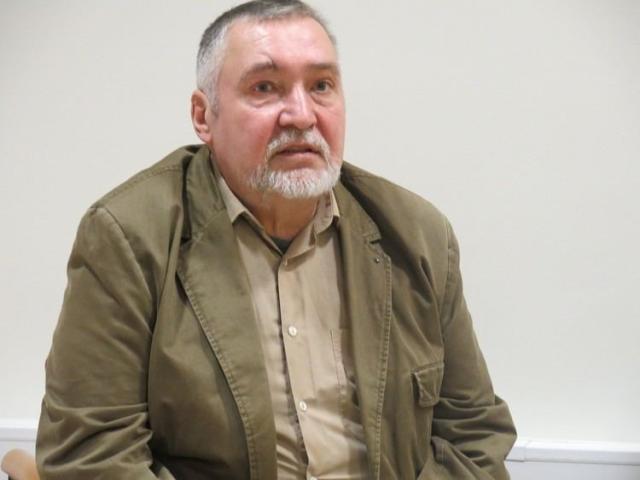
Teodor Bujnicki
 Poland
- Theodore Bujnicki: A Polish Poet, Satirist, and Journalist
- Literary Beginnings and Activism
- "Zagary" and Avant-Garde Poetry
- Satirical and Humorous Writing
- During the Second World War
- Legacy
Theodore Bujnicki: A Polish Poet, Satirist, and Journalist
Early Life and EducationBorn in Vilnius in 1907, Theodore Bujnicki grew up amidst World War I in St. Petersburg, where his family had evacuated. After his father's untimely death, the family returned to Vilnius in 1921. Bujnicki attended the Joachim Lelewel Gymnasium before enrolling in the University of Stefan Batory in 1926, where he studied history.
Literary Beginnings and Activism
Bujnicki's literary career began in high school with poems published in school journals. He became involved in left-leaning youth circles and worked in the print and radio sectors in Vilnius. In the 1930s, he played an active role in the literary gatherings at the Konrad Cell.
"Zagary" and Avant-Garde Poetry
In 1931, Bujnicki co-founded the avant-garde literary journal "Zagary" with Czesław Miłosz and Jerzy Zagórski. As editor and a leading member of the "Zagary" group, he embraced experimental and catastrophic themes in his poetry collections "Poomacku" (1933) and "W połowie drogi" (1937).
Satirical and Humorous Writing
Alongside his avant-garde poetry, Bujnicki also produced satirical and humorous works. The collections "18 ohydnych paszkwilów na Wilno i Wilnian" (1934) and "Memoriał w sprawie urbanistyki wileńskiej" (1937) showcased his wit and social commentary.
During the Second World War
With the outbreak of World War II, Bujnicki initially resided in Vilnius, working as an editor for "Gazeta Codzienna." After Lithuania became a part of the USSR, he assumed an editorial role at "Prawda Wileńska," where he published poems praising the Soviet regime.
During the German occupation, Bujnicki lived in hiding and was sentenced to death in absentia by a Polish underground tribunal for his apparent collaboration. Upon his return to Vilnius in 1944, he was assassinated by unknown individuals.
Legacy
Bujnicki's literary output blended Romantic lyricism with modernist aesthetics. His poetry frequently explored the themes of Vilnius and Lithuania. Today, he is remembered as a significant figure in Polish literature, particularly for his contributions to avant-garde and satirical writing.


