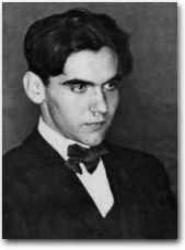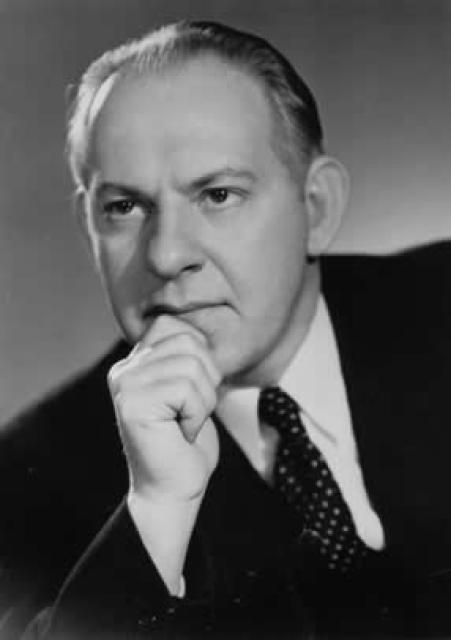
Maurice Careme
 Belgium
Biography of Maurice Carême
Maurice Carême was a Belgian poet, known for his simple writing style and his series of poetry for children. He was born in Wavre, Walloon Brabant, a quiet and predominantly rural area in Belgium. Despite his family not being wealthy, Maurice had a joyful childhood, which greatly influenced his creative work. He attended school in Wavre and successfully completed his education in 1914, receiving a scholarship to attend a school in Tienen, which he completed four years later.
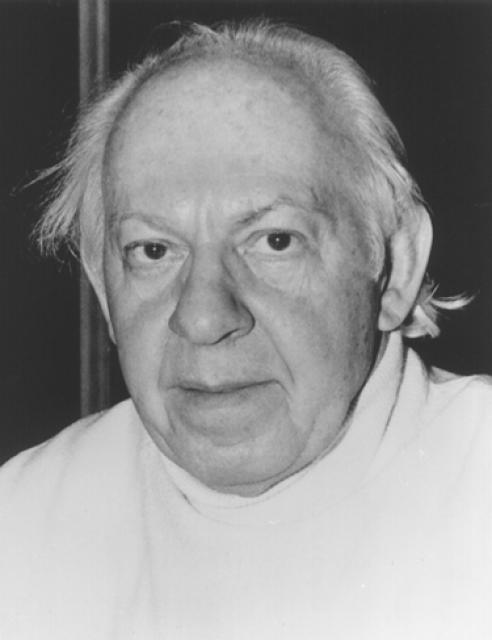
Afterwards, Maurice taught in Anderlecht, near Brussels, to support himself. However, poetry gradually took a larger place in his life, and by 1943, he left teaching to focus solely on his writing. Maurice was not limited to original works; he also dedicated considerable effort to translating Dutch poetry into French.
In 1972, Maurice Carême was proclaimed the "king of poets" in Paris. He passed away in Anderlecht on January 13, 1978, and according to his last wishes, he was buried in his hometown of Wavre. His Anderlecht house, known as "la Maison blanche," now serves as a museum dedicated to his name.
Maurice Carême as a Poet
Maurice Carême is rightfully regarded as one of the greatest French-language poets of the 20th century. He wrote a total of 60 poetry collections, one of which, "Fairy Tales for Caprina," was dedicated to his wife, Andrée Gobron. Carême's poems have been translated into over 100 different languages worldwide.
Primarily, Maurice wrote children's poetry and became a pioneer and a classic of children's literature even during his lifetime. Almost all contemporary French children's poets have been influenced by his work in some way. His poems can be found in textbooks and anthologies, studied in schools and households alike. However, Carême also wrote poetry for adults. Some of his early works are influenced by futurism, but most of his poems are easily accessible while still containing a profound philosophy. Carême often reflects on nature, philosophy, love, and occasionally incorporates anti-war sentiments into his verses.