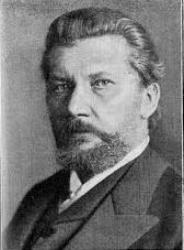
Thomas Cooper
 Great Britain
Early Life and Education
Thomas Cooper, an English Chartist poet, embarked on a life of learning despite his humble beginnings as a shoemaker's apprentice. Driven by an insatiable thirst for knowledge, he pursued an independent education and eventually secured a position as a schoolmaster.
Activism and Imprisonment
In 1841, Cooper emerged as a prominent Chartist leader in Leicester. His unwavering advocacy for social justice and universal suffrage led to his arrest and imprisonment in 1842 on charges of conspiracy and sedition. While incarcerated, he penned the influential poem "The Purgatory of Suicides" and a series of short stories titled "Wise Saws and Modern Instances."
Literary Career
"The Purgatory of Suicides," published in 1845, is widely regarded as Cooper's literary masterpiece. Beyond a mere depiction of notorious suicides, it serves as a powerful indictment of tyranny and oppression. Cooper's verses denounce slavery in all its forms, the harsh realities of workhouses, and the hypocrisy of Victorian society.
Prose and Religious Writings
While renowned for his poetry, Cooper's prose writings are equally significant. His essays, particularly those addressing the working class, evoke an even stronger impact than his verses. Additionally, Cooper published numerous theological works, exploring matters of faith and morality.
Legacy
In 1872, Cooper published his autobiography, offering valuable insights into his life and times. His final work, "Thoughts of Fourscore," published in 1885, is a collection of short articles and reflections on various subjects. Cooper's legacy endures through his influential writings, including the popular Chartist anthem "God of Earth, and Sea, and Sky!" which continues to inspire generations.