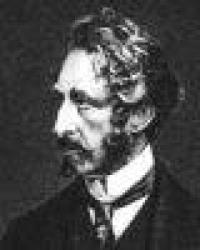
Thomas Dekker
 Great Britain
- Thomas Dekker: Playwright, Pamphleteer, and Poet
- Notable Early Plays
- Psychological Tragedy and City Comedies
- Pamflets
- Return to the Theater and Imprisonment
- Later Works and Death
- Literary Legacy
Thomas Dekker: Playwright, Pamphleteer, and Poet
Early Life and CareerThe origins of Thomas Dekker's life remain shrouded in mystery. His first known mention as a playwright dates back to 1598, when he was affiliated with the Lord Admiral's Men troupe. He frequently collaborated with other playwrights, and many of his works have been lost to time.
Notable Early Plays
Among Dekker's most notable early dramas are "Old Fortunatus" (1600), a folkloric and lyrical play; "The Shoemaker's Holiday" (1600), his most successful work; and "Satiromastix" (1602), a comical satire of Ben Jonson that premiered during the "War of the Theatres."
Psychological Tragedy and City Comedies
In 1604, Dekker released the psychological tragedy "The Honest Whore, Part I," followed by a series of satirical "city" comedies co-written with Thomas Middleton and John Webster.
Pamflets
Around 1606-1607, Dekker transitioned away from the theater and began publishing a series of pamphlets, beginning with "The Batchelor's Banket" (1603). "The Gull's Hornbook" (1609), a guide to London's fashionable society and theatergoers, gained particular notoriety. "The Wonderful Year" (1603) provided a vivid account of the London plague. "The Seven Deadly Sins of London" (1606), "News From Hell" (1606), and "Lanthorn and Candlelight" (1608) exposed the vices of the common people. "Four Birds of Noah's Ark" (1609) offered a simple and accessible book of prayers.
Return to the Theater and Imprisonment
Possibly due to financial difficulties, Dekker returned to the theater around 1609. In 1613, he was imprisoned for debt, where he spent approximately six years.
Later Works and Death
After his release, Dekker's later works included the domestic drama "The Witch of Edmonton" (1621), which protested the witch hunts from an enlightened perspective. He also wrote several plays in the popular tragicomic genre and contributed scenes to Lord Mayor's pageants. Dekker passed away around 1632.
Literary Legacy
Dekker's prose style in his pamphlets is known for its simplicity and clarity, while the lyrics in his plays rival the finest examples of Elizabethan poetry. Through his depictions of bourgeois life, genuine humanism, and democratic spirit, Dekker's plays accurately capture the atmosphere of the Elizabethan era.