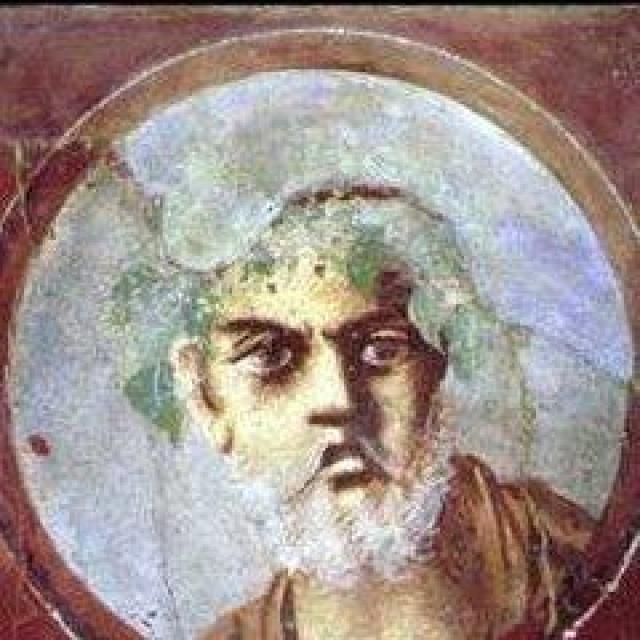
Tibullus
- Tibullus: A Roman Elegist
- Poetic Works
- Delia and Nemesis: Romantic Entanglements
- Rural Life and the Rise of Rome
- Legacy
- Attribution and Influence
Tibullus: A Roman Elegist
Early Life and Military ServiceAlbius Tibullus was a renowned Roman poet who lived and wrote during the first century BCE. His family likely faced financial losses during the redistribution of land to veterans, possibly in 41 BCE. Despite these setbacks, Tibullus remained a wealthy man, affording him a comfortable lifestyle. As a Roman knight, he served in the military for ten years, eventually joining the entourage of Marcus Valerius Messalla Corvinus, a prominent Republican general.
Poetic Works
Tibullus's literary legacy consists primarily of two books of Elegies, written in the traditional alternating hexameter and pentameter. These elegies offer a deeply personal glimpse into Tibullus's love affairs.
Delia and Nemesis: Romantic Entanglements
Tibullus's first love was a woman named Delia, whose name became synonymous with the beloved in classical poetry. Their relationship was passionate but tumultuous, marked by both intense affection and periods of separation. Delia eventually left Tibullus for a wealthier man. In his second book of Elegies, Tibullus writes about a new love, Nemesis, a woman of lower social status who demands payment for her affection. Despite his unrequited love and Nemensis's mercenary nature, Tibullus remained devoted to her until his death.
Rural Life and the Rise of Rome
Beyond his romantic entanglements, Tibullus's poetry also reveals his love for the countryside. He depicted the beauty and simplicity of rural life in several of his elegies. In "Ambarvalia," he celebrates the annual festival that honored the gods of agriculture. Additionally, Tibullus had a keen interest in Roman history, particularly the early days of the Republic. He praised the city's humble origins and its rise to greatness.
Legacy
Tibullus's elegies are highly regarded for their candor, simplicity, and lyrical beauty. He was praised by ancient critics for his natural and unassuming style. Despite his own lack of self-awareness about his lasting impact, Ovid predicted that Tibullus's poetry would continue to be read and enjoyed "as long as Cupid's torches and arrows exist." His death at a relatively young age, around the same time as Virgil, marked a significant loss for Roman literature.
Attribution and Influence
Some works attributed to Tibullus, notably the third and fourth books of Elegies, are believed to belong to other poets within Messalla's circle. These poets imitated Tibullus's style and approach, contributing to the unique body of elegiac poetry that emerged during this period.


