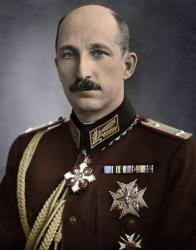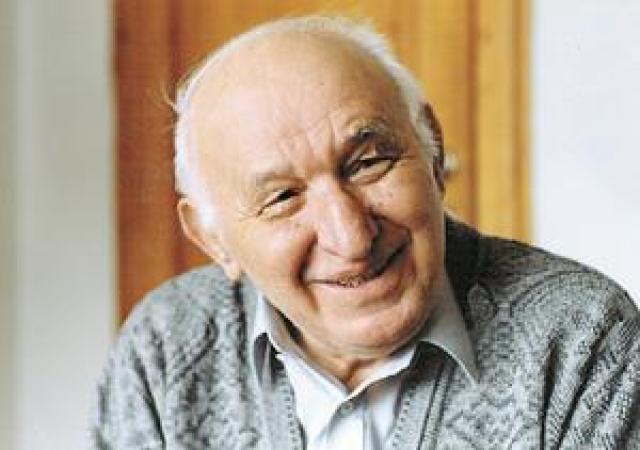
Todor Zhivkov
 Bulgaria
- Early Life and Political Involvement
- WWII Resistance and Ascent to Power
- Repressive Regime
- Resignation and Final Years
Early Life and Political Involvement
Todor Zhivkov, the communist leader of Bulgaria, was born in 1911 in the village of Pravets in the Sofia district to a peasant family. He worked in a printing press and attended the School of Graphic Arts. In 1928, he joined the Bulgarian Communist Youth Union.
WWII Resistance and Ascent to Power
During World War II, Zhivkov participated in the anti-fascist resistance. After the war, he embarked on a successful party career, culminating in his appointment as First Secretary (later General Secretary) of the Central Committee of the Bulgarian Communist Party in 1954.
Repressive Regime
Under Zhivkov's leadership, Bulgaria implemented a system of political repression, including special concentration camps for political prisoners. In the infamous camps of Lovech and Skravena, 147 political prisoners perished due to the brutal conditions.
Resignation and Final Years
Amidst public pressure, Zhivkov resigned from his post as General Secretary on November 10, 1989, citing health and age concerns. After the collapse of the communist regime in July 1990, he was placed under house arrest on charges of collaborating with the secret police during World War II. The legal investigation was never completed. Zhivkov passed away in the summer of 1998.