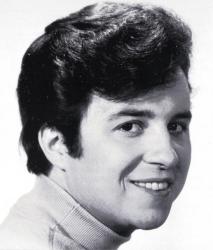
Trini Lopez
 USA
- Early life and first performances
- Breakthrough with Reprise
- Guitars and screen work
- Later years and legacy
Trini Lopez turned the sounds of folk, rock and Mexican-American music into an instantly recognizable pop style, winning audiences from Los Angeles nightclubs to concert halls around the world. The Dallas-born singer and guitarist became one of the most visible Latino performers of the 1960s, with spirited hits including “If I Had a Hammer” and “Lemon Tree,” a signature Gibson guitar design, and a memorable role in the war film The Dirty Dozen.
Early life and first performances
Born Trinidad López III on May 15, 1937, in Dallas, Texas, he was one of six children of Mexican immigrants Trinidad López II and Petra González. The family lived in Little Mexico, a working-class neighborhood shaped by Mexican migrant communities. His father performed music alongside other work, and the household’s cultural traditions helped form the younger Lopez’s musical outlook.
When Lopez was eleven, his father bought him a guitar from a pawnshop. He learned to play and began performing as a teenager, appearing at local events and clubs while still in school. In the 1950s he formed a band and made early recordings, building experience in the Dallas music scene before moving west to pursue a larger audience. He briefly auditioned for the Crickets after Buddy Holly’s death, but the opportunity did not lead to a lasting place in the group.
Breakthrough with Reprise
Lopez’s career changed after he was heard performing at the Los Angeles nightclub PJ’s. Frank Sinatra took an interest and signed him to Reprise Records, the label Sinatra had founded. The resulting live album, Trini Lopez at PJ’s, was released in 1963 and captured the youthful performer’s quick rapport with the crowd and high-energy arrangements.
The album’s version of Pete Seeger and Lee Hays’s “If I Had a Hammer” became Lopez’s breakthrough hit, reaching No. 3 on the U.S. Billboard Hot 100 and finding a wide international audience. His lively mix of folk standards, pop, rock and Latin repertoire carried through recordings such as “La Bamba” and “What’d I Say.” “Lemon Tree,” released in 1965, became another major success. Lopez toured extensively and appeared on television, sustaining a busy recording career through the decade.
Guitars and screen work
At the height of his popularity, Gibson collaborated with Lopez on two signature electric guitars: the Trini Lopez Standard and the Lopez Deluxe. Produced from 1964 to 1971, the instruments paired distinctive styling with designs suited to both rock and jazz players. They later became sought-after models among guitarists and collectors.
Lopez also took his stage presence to film. His best-known screen role was Pedro Jimenez, one of the soldiers in Robert Aldrich’s 1967 war drama The Dirty Dozen. He appeared in other films, including Marriage on the Rocks and The Phynx, while music remained his central pursuit.
Later years and legacy
Although his greatest chart success came in the 1960s, Lopez continued recording and performing for decades, maintaining a loyal international following. He returned to the stage repeatedly and remained closely associated with the lively, audience-facing style that had made Trini Lopez at PJ’s a hit. His career offered a rare mainstream platform for a Mexican-American performer at a time when Latino artists had limited visibility in American pop.
Lopez died on August 11, 2020, at age 83, in Palm Springs, California, after contracting COVID-19. His music and distinctive Gibson models continue to connect generations of listeners and players, while his career stands as a notable chapter in the history of Mexican-American popular music.