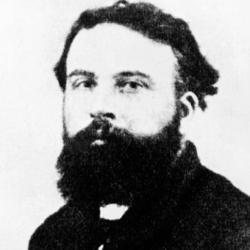
Trophime Bigot
 France
- Biography of Theophilus Bigot
- Early Years and Training
- Career in Italy (1621-1634)
- Signature Attributions
- Artistic Style and Techniques
- Distinctive Subject Matter
- Legacy
Biography of Theophilus Bigot
Theophilus Bigot was a French artist active during the 17th century. However, limited and contradictory information exists about his life, leading to hypothetical assumptions by historians.
Early Years and Training
Details regarding Bigot's early life and training are obscure. He is believed to have been born in France, the exact date and location remaining unknown.
Career in Italy (1621-1634)
From 1621 to 1634, Bigot resided in Rome, where he worked on several notable projects. Among his contributions was the decoration of the church of Santa Maria in Aquiro.
Signature Attributions
Throughout his career, Bigot employed various signatures, including:Theophilus Bigotti
Theophilus Trofamoti (Troffamondi, Trufemondi)
This practice has led to some confusion and attribution issues with his works.
Artistic Style and Techniques
Bigot's paintings are characterized by their intricate use of light and shadow. This technique, known as chiaroscuro, aligns him with the Caravaggisti movement and the French artist Georges de La Tour.
Distinctive Subject Matter
Apart from his exceptional light effects, Bigot is renowned for the unusual themes depicted in some of his works. One such painting, "Doctor Examining a Patient's Urine" (currently housed in Oxford), showcases his unconventional subject choices.
Legacy
Despite the scarcity of biographical information, Theophilus Bigot's artistic contributions have left a lasting impression. His unique style and intriguing subject matter continue to fascinate art historians and enthusiasts alike.