Tullio Crali
 Italy
Italy- Biography of Tullio Crali
- The Futurist Movement
- Aeropittura and War
- The Synthesis of Futurism
- Late Years and Legacy
Biography of Tullio Crali
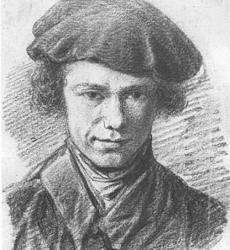
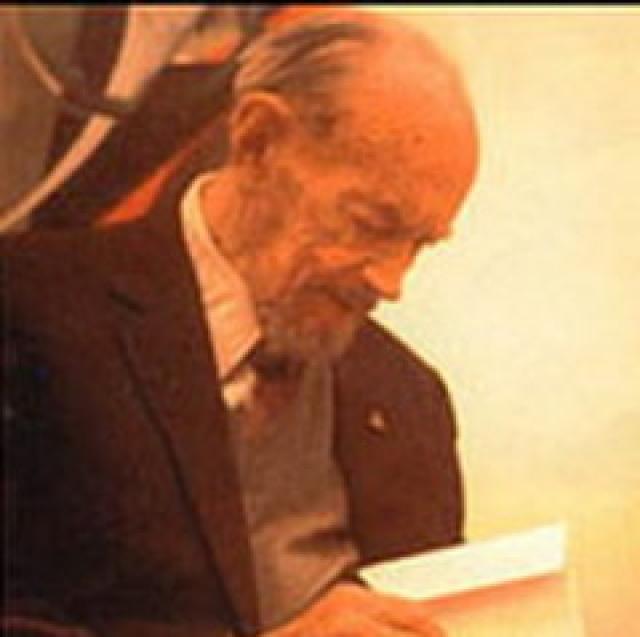
Tullio Crali, an Italian artist and one of the pioneers of aeropainting, was born on December 6, 1910, in Igalo, Croatia. He taught himself to draw and began his artistic journey in 1925. The works of Giacomo Balla, Umberto Boccioni, and Enrico Prampolini played a significant role in inspiring Crali's artistic aspirations. In 1928, Crali experienced his first flight on an airplane, and this event became a pivotal theme in his artwork. The subject of aviation became central to his creative expression.
The Futurist Movement
In 1929, Crali officially joined a group of futurist artists. In accordance with the manifesto "Futurist Reconstruction of the Universe" published in 1915, he created his first series of "aeropaintings." These artworks were characterized by their curved-geometric dynamics, with the viewer's perspective positioned outside the airplane, observing the flight through the air.
Aeropittura and War
During the late 1930s and early 1940s, Crali worked in the style of Aeropittura. Like many Italian futurists, he glorified the actions of the Italian Air Force through his paintings, downplaying the horrors of warfare and emphasizing the heroism of battle. After the end of World War II, Crali remained committed to futurism and continued his artistic career in Turin, Paris, and eventually Cairo.
The Synthesis of Futurism
In Cairo, Crali taught at the Italian School of Art while simultaneously developing his own unique branch of futurism called "sasentesi." This new approach aimed to synthesize various artistic elements within the futurist movement.
Late Years and Legacy
Tullio Crali passed away on August 5, 2000, in Genoa. Throughout his career, he remained dedicated to exploring the aesthetics of aviation and the dynamic energy of the modern era. His contributions to the futurist movement and the development of aeropainting have left a lasting impact on the art world.