Vakhtang I Gorgasali
- Vahtang I Gorgasali: King of Iberia and Georgian Statesman
- Relations with Byzantium and Persia
- Anti-Persian Uprising and Its Aftermath
- Military Exploits and Death
- Legacy and Veneration
Vahtang I Gorgasali: King of Iberia and Georgian Statesman
Early Life and Rise to PowerIn the latter half of the 5th century, Vahtang I Gorgasali emerged as the King of Iberia. A relative and vassal of the Persian Sassanids, he played a significant role in their military campaigns against the Greeks and Hephthalites.
Relations with Byzantium and Persia
Vahtang I sought recognition of the autocephaly of the Georgian Church from the Byzantine Empire. While aligning with the Sassanids, he also maintained alliances with the Armenian Mamikonians.
Anti-Persian Uprising and Its Aftermath
In 482, Vahtang I led a major uprising against Persian rule. However, the rebellion ultimately failed, forcing him to flee to the Georgian kingdom of Egrisi. Promising submission to the Sassanids, he returned to Iberia and played a key role in the foundation or reconstruction of Tbilisi as the future capital.
Military Exploits and Death
Despite his earlier alliance, Vahtang I refused to participate in Persian wars against Byzantium. This defiance led to a fatal conflict with a Sassanid punitive detachment. He died in battle, leaving a lasting legacy as a heroic defender of Georgian independence.
Legacy and Veneration
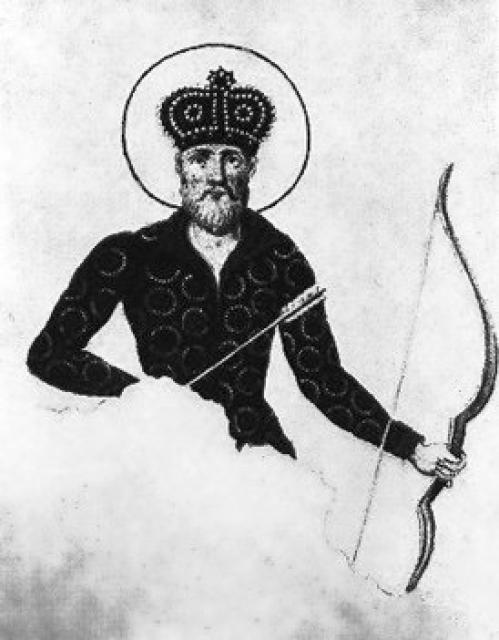
Throughout history, the Georgian people revered Vahtang I. He became a beloved figure in folklore, and the Georgian Church canonized him as a saint. The Order of Vakhtang Gorgasal remains one of Georgia's highest state honors. His remains are enshrined in the Svetitskhoveli Cathedral.