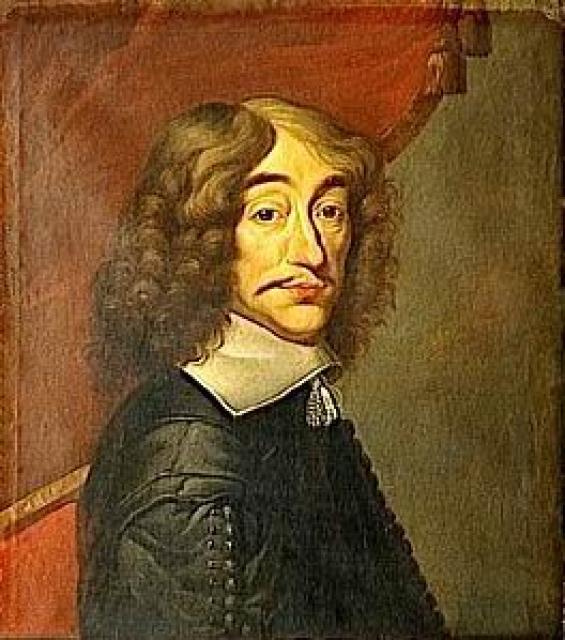
Valentin Conrart
 France
- Valentin Conrart: Champion of the French Language
- Royal Connections and Literary Influence
- Salon Member and Literary Patron
- Writings and Legacy
- Religious Beliefs and Influence
- Conclusion
Valentin Conrart: Champion of the French Language
Early Life and InfluencesValentin Conrart was a prominent French writer of the 17th century. Born into a Calvinist bourgeois family in Valenciennes (then part of the Netherlands), Conrart's family fled to France to escape persecution by the Duke of Alba.
Royal Connections and Literary Influence
In 1627, Conrart acquired the position of Royal Secretary for Publishing Affairs, gaining nobility and establishing a link between the monarchy and literary circles. From 1629, his home hosted weekly gatherings that evolved into the French Academy in 1634. Conrart served as its permanent secretary until his death, contributing significantly to its constitution and participating in the Academy's famous critique of Corneille's "Le Cid."
Salon Member and Literary Patron
Conrart was a respected member of the Rambouillet salon, where he cultivated friendships with notable figures such as Madeleine de Scudéry. His authority on the French language earned him references in works by renowned authors like Boileau, who praised his "prudent silence."
Writings and Legacy
Despite his reputation for literary diplomacy, Conrart produced a relatively small body of written work, including poems, songs, and psalms. Most significantly, he left behind "Mémoires sur l'histoire de son temps," a valuable historical record published in 1825.
Religious Beliefs and Influence
Throughout his life, Conrart maintained moderate Protestant beliefs, fostering interfaith dialogue and supporting the publication of Protestant literature outside France. Despite pressure from authorities, he remained steadfast in his convictions.
Conclusion
Valentin Conrart was an influential figure in the development of French literature and language. His work as a literary patron, Academy member, and writer contributed to the establishment of the French Academy and the preservation of French culture. His "prudent silence" became a testament to his diplomacy and the importance of a measured voice in times of cultural and religious upheaval.