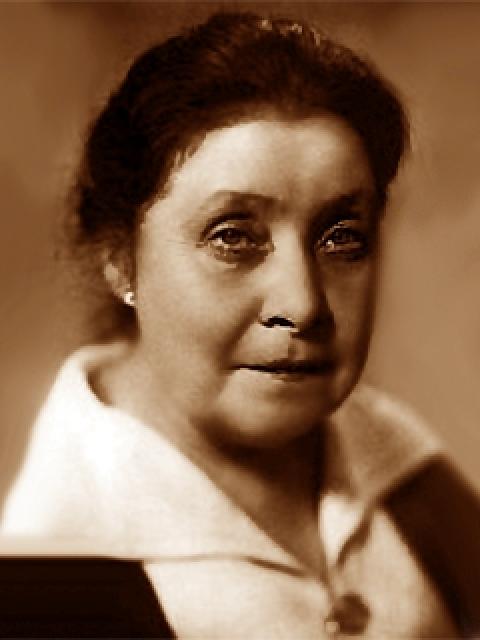
Valentina Brumberg
Valentina Brumberg was a pioneering Soviet animator, director and screenwriter whose career helped shape the early decades of Soviet animation. Working for much of her life alongside her younger sister Zinaida, she helped move animation from experimental short films toward sophisticated storytelling drawn from literature, folklore and everyday life.
Early training
Brumberg was born in Moscow on August 2, 1899. She studied painting at the Higher Art and Technical Studios (VKhUTEMAS), graduating in 1925. That same period brought her into the first experimental animation workshop at the State Technicum of Cinematography, where she began working in the new medium.
Her early projects included *China in Flames*, an ambitious collaboration with her sister and other artists. In 1927, the sisters began directing films together, developing a partnership that would continue for decades.
A creative partnership
Valentina and Zinaida Brumberg became known for their skill in adapting stories and creating expressive animated characters. Their work ranged from fairy tales and literary adaptations to satirical films. The sisters were among the early artists associated with Soyuzmultfilm, the studio that became central to Soviet animation.
Their films included *The Lost Letter* (1945), based on a story by Nikolai Gogol, and *Fedya Zaitsev* (1948), which became a popular children’s film. Other notable works included *The Night Before Christmas* (1951), *The Island of Mistakes* (1955) and the satirical short *Big Troubles* (1961). Brumberg’s credits span directing, writing and visual development, reflecting the collaborative and hands-on nature of animation production at the time.
Recognition and legacy
Brumberg received the Order of the Badge of Honour in 1944 and was named an Honored Art Worker of the Russian Soviet Federative Socialist Republic in 1968. She continued making films into the 1970s, remaining active in animation almost to the end of her life.
She died in Moscow on November 28, 1975. Her legacy is closely linked with her sister’s, but her own decades of direction and screenwriting helped establish the visual and storytelling traditions of Soviet animation. Their shared body of work is often remembered as part of the foundation of Russian animated fairy-tale cinema.


