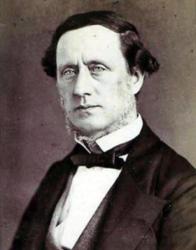
Vano Muradeli
Early Life and Career
Vanno Muradeliwas born in Georgia, where he studied piano at the Tbilisi Conservatory, graduating in 1931.
Wartime Achievements
After graduating, Muradeli moved to Moscow, where he became actively involved in composing patriotic works during World War II. He served as the artistic director of the Central Naval Band and composed iconic pieces such as the "Hymn to Leningrad," "Song of Victory," and "We Will Defeat the Fascists."
Post-War Work
In the post-war era, Muradeli continued to write patriotic compositions, including the ballet "Zoya Kosmodemyanskaya" (1947). He also composed the opera "Great Friendship," which was met with controversy and was later banned by Soviet authorities.
Political Significance
Muradeli's compositions were often shaped by the political climate of the time. He played an active role in the Soviet Composers' Union, serving as its responsible secretary from 1938 to 1939. He also composed works that celebrated the Communist Party, such as "Party - Our Helmsman" (1952) and "Oktyabr" (1961).
Legacy
Muradeli was a prolific composer, writing over 300 works, including operas, ballets, and symphonies. He received numerous awards and accolades, including two Stalin Prizes (1946, 1951) and the title of People's Artist of the USSR (1968). He passed away in 1970, leaving behind a musical legacy that continues to inspire musicians and audiences alike.