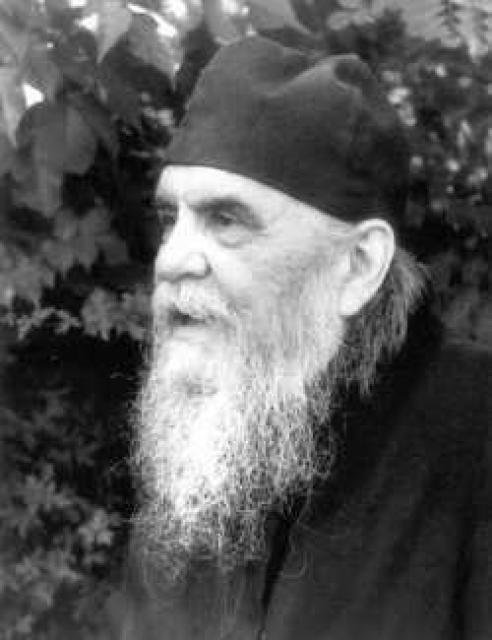
Vasiliy Pronin
 Russia
- Vasily Prokhorovich Pronin: A Life in Politics and Leadership
- Early Career
- Rise in the Communist Party
- Involvement in the Great Purge
- Moscow City Executive Committee
- Central Committee and Defense of Moscow
- Post-War Career
- Retirement and Legacy
Vasily Prokhorovich Pronin: A Life in Politics and Leadership
Early Life and EducationVasily Prokhorovich Pronin was born on December 1905, in the village of Pavlovo, Rязанская губерния. The son of a peasant, Pronin received his higher education at the Moscow Institute for Advanced Red Professors in 1933.
Early Career
Prior to his involvement in politics, Pronin held various jobs, including as a repairman, a farmhand, and a railway switchman. In 1925, he joined the Communist Party (Bolsheviks). From 1926 to 1929, he worked as a machinist and as the secretary of the Komsomol cell at the Svoboda Factory in Moscow.
Rise in the Communist Party
In 1929, Pronin began his career in the Communist Party. He held various positions, including Deputy Secretary of the Regional Committee of the Communist Party in the Tuvan Republic (1933-1935) and Secretary of the Party Committee of the 2nd Clock Factory in Moscow (1935). In 1937, he became the First Secretary of the Leningrad District Committee of the Communist Party in Moscow.
Involvement in the Great Purge
Pronin played a controversial role in the Great Purge, which saw the elimination of political opponents within the Communist Party. As Head of the Department of Party Cadres (1938) and Secretary of the Moscow City Committee of the Communist Party (1938-1939), he oversaw the organization of mass purges within the Moscow party organization.
Moscow City Executive Committee
In 1939, Pronin was appointed Chairman of the Executive Committee of the Moscow City Council (Mossoviet). During his tenure, he oversaw the defense of Moscow during the Second World War and the evacuation of Moscow's industries. However, his leadership was marred by disruptions in the city's economy, which contributed to a widespread panic among the population in 1941.
Central Committee and Defense of Moscow
Pronin served as a Candidate Member of the Central Committee of the Communist Party (1939-1941) and a full Member (1941-1956). He was involved in the organization of the city's defense and the construction of fortifications in Moscow. In preparation for a potential German invasion, he ordered the installation of explosives throughout the city, intended to be detonated in the event of its capture.
Post-War Career
After the war, Pronin served as First Deputy Chairman of the Council of Ministers of the Russian Soviet Federative Socialist Republic (1944-1946). He was also a Deputy in the Supreme Soviet of the USSR (1946-1950). In 1946, he became the first Minister of Labor Reserves of the USSR. This ministry was later incorporated into the Ministry of Culture in 1953. Pronin subsequently held positions as Deputy Chairman of the State Planning Commission (1953), First Deputy Minister of the Forest and Paper Industry (1953-1954), and Deputy Minister of Transport Construction (1954-1957).
Retirement and Legacy
In 1957, Pronin was dismissed from government service at the age of 52 as part of Nikita Khrushchev's purge of Stalinist officials. He retired and passed away in Moscow on October 12, 1993. Pronin's legacy as a political figure remains mixed, with his role in the Great Purge overshadowing his contributions to Moscow's defense during the Second World War.


