Vasiliy Sinchuk
 Kazakhstan
Biography of Vasily Sinchuk
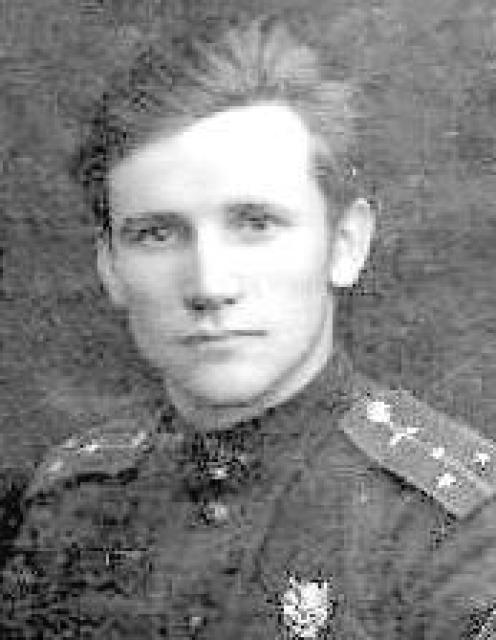
Vasily Prokofievich Sinchuk was born on February 15, 1921, in the village of Khersonsky Kost - Istesky District, Aktobe Region (Kazakhstan), in a working-class family. In 1931, he moved with his parents to the Orenburg region, where he lived in Orsk and Orenburg. He completed 7 grades of an incomplete secondary school No. 1 (now school No. 10) and an aeroclub. In 1938, he joined the Red Army, and a year later, he graduated from the Chkalov Military Aviation School for Pilots. He served in the Red Banner Fighter Aviation Regiment in the Far East. In September 1942, he fought on the fronts of the Great Patriotic War. He fought as part of the 22nd Fighter Aviation Regiment (14th Air Army) on the Volkhov Front and participated in the defense of Leningrad. By February 1944, as an air-gunner, Captain V.P. Sinchuk had made 305 combat sorties, shot down 15 enemy aircraft in 50 air battles, and destroyed up to 150 enemy soldiers and officers with airstrikes. On February 1, 1944, he died in an aerial battle. On April 13, 1944, he was posthumously awarded the title of Hero of the Soviet Union for his courage and military valor.
He was awarded the Orders of Lenin, the Red Banner (twice), and a medal. He was buried in the village of Utorgosh, Shimsky District, Novgorod Region. Streets in the city of Orsk and the "Vostochny" collective farm in the Adamovsky District of the Orenburg region are named after the Hero.
In the summer of 1951, schoolchildren Venya Zhevtov and Alyosha Maksimov went about 7 kilometers from Utorgosh in search of scrap metal. They discovered a plane cabin hidden under the moss in a swamp. Inside the cabin, they found a pilot dressed for winter in a leather helmet with a bullet hole. They carefully retrieved a pistol from the blackened holster and documents from the pilot's pocket. The documents revealed the pilot's name - Vasily Prokofievich Sinchuk. The documents were handed over to the village council and eventually reached the military commissariat. It was soon discovered that Vasily Sinchuk was a renowned pilot and a Hero of the Soviet Union. Letters and documents preserved by his mother in Omsk provide insight into the life of this remarkable individual.
Vasily Sinchuk grew up in Orsk as a cheerful, mischievous boy who was fascinated by the sky from an early age. His dream came true when he joined the Orsk Aero Club, which was popular among young people even before the war, and then enrolled in the Orenburg Military Aviation School. Here, his instructors and comrades noted his exceptional skill. Sinchuk was assigned to the Far East, where he found himself when the Great Patriotic War began. He repeatedly wrote reports requesting to be sent to the front to fight against the enemy in the sky. His first six reports were denied, but Vasily persisted and eventually succeeded.
His service on the Volkhov Front began in September 1942. He often spent as much time on the airfield as necessary for technical inspections, refueling, and ammunition resupply before taking off again to fight the enemy. Sinchuk was a skilled and fearless pilot, gaining the nickname "Volkhov Ace." In a single day, on October 25, 1942, he shot down four enemy planes, including the leading one from a 4/4 angle, a difficult task. In another impressive feat, he shot down three German Fieselier Fi-156 planes known as "Storches" or "Aists". His exceptional skills and marksmanship made him stand out among his comrades.
In April 1943, Sinchuk's reconnaissance group joined the 254th Fighter Aviation Regiment. Despite flying outdated "Ishachki" planes, he continued to achieve notable success alongside the new and powerful La-5 fighters. He quickly adapted to the unfamiliar aircraft and shot down six enemy planes during his third combat mission. Sinchuk's reputation as one of the best fighter pilots in the regiment was solidified. In May 1943, he was appointed as the deputy commander of the regiment for air-to-ground service by the commander of the 14th Air Army, Hero of the Soviet Union General Zhuravlyov, skipping the rank of squadron commander. Sinchuk also led a special group of hunters within the regiment, composed of the bravest and most experienced pilots.
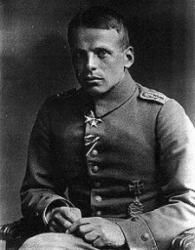
In August 1943, a political officer from the regiment wrote a letter to Sinchuk's mother, praising his heroic actions and accomplishments. By that time, he had shot down 10 enemy planes and was well-known for his bravery. On January 4, 1944, while covering ground forces near Novgorod, Sinchuk and his wingman Ivanov attacked a pair of German FW-190 fighters heading towards the front line. Both enemy planes were shot down, resulting in the death of Oberleutnant Otto Vincent (with 45 victories) and Feldwebel Kurt Ihlenfeld from the famous JG 54 "Grunherz" squadron.
On January 19, 1944, Sinchuk led a group of fighters that discovered an enemy convoy north-west of Novgorod. Before the arrival of the additional fighter group, Sinchuk destroyed the lead vehicles with gunfire, causing panic and resulting in the destruction of 25 enemy vehicles and up to 100 enemy soldiers. Throughout January 1944, Sinchuk continued to excel in aerial combat and ground support operations, contributing to the successes of the 14th Air Army.
On February 1, 1944, during a combat mission, Sinchuk and his squadron engaged in a fierce battle with enemy fighters. Unfortunately, they did not return from the mission. His last radio command was "I'm going in for the attack." Later, it was discovered that he had engaged a group of enemy "Focke-Wulf" planes and was likely shot down. The heroic actions of Captain V.P. Sinchuk were recognized, and he was posthumously awarded the title of Hero of the Soviet Union for shooting down 15 enemy planes. On February 8, 1944, an article titled "Don't Count the Enemy, Just Hit Them" was published in the 14th Air Army newspaper, describing Sinchuk's final battle based on accounts from the returning pilots and ground observation posts.
Vasily Sinchuk's exceptional courage and skill as a fighter pilot made him one of the most renowned and respected pilots in the 254th Fighter Aviation Regiment. His legacy lives on through his achievements and the streets and schools named after him.