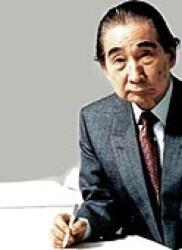
Vladimir Shervinskiy
 Latvia
- Pre-War and Soviet Latvian Architect
- World War I and Beyond
- Post-Independence Achievements
- The Pious Architect
- Wartime Experiences
- Post-War Persecution and Legacy
- - After serving three years in prison, he was released in 1955.
Pre-War and Soviet Latvian Architect
Early Life and Influences- Vladimir Maksovich Shervinsky, born into a renowned family of architects, was destined for greatness in the field.
- His father, Max Shervinsky, was a pioneer of modernism in Europe and played a crucial role in the architectural development of Riga.
- The younger Shervinsky, inspired by his father's legacy, pursued architecture at the Riga Polytechnic Institute, graduating in 1915.
World War I and Beyond
- During World War I, Shervinsky gained hands-on experience designing defensive fortifications along the Daugava River.
- After the war, he worked on the construction of an elevator in Artaxk, Saratov.
- In 1920, he resumed his studies at the Riga Polytechnic Institute, completing his degree in 1923.
Post-Independence Achievements
- After Latvia's independence, Shervinsky established a private architectural firm and focused on residential construction in Riga.
- In 1924, he became the synodal architect of the Latvian Orthodox Church, a role that would shape his career.
- He designed and supervised the construction of over 25 Orthodox churches throughout the country, including the St. Nicholas Church in Abrene and the restored St. John's Church in Moscow Forstadt.
The Pious Architect
- Shervinsky's architectural style was characterized by its use of wood and traditional Russian elements.
- He also designed and built numerous parish buildings and memorials, including the Pokrovsky Cemetery War Memorial and the St. John the Baptist Chapel.
- The chapel, built on the site of the martyred Archbishop John Pommer, served as a symbol of ecclesiastical resistance during the war.
Wartime Experiences
- During World War II, Shervinsky was tasked with designing barracks for Soviet prisoners of war.
- Appalled by the conditions, he successfully petitioned for the establishment of religious services for the prisoners.
- He became a member of the Exarchal Administration of the Pskov Orthodox Mission, a religious organization established during the German occupation.
Post-War Persecution and Legacy
- After the war, Shervinsky's advocacy for the restoration of Orthodox churches drew the attention of Soviet authorities.
- He was arrested in 1951 and sentenced to 10 years of hard labor for "anti-Soviet propaganda."
- After serving three years in prison, he was released in 1955.
- Despite the persecution, Shervinsky continued to work as an architect, designing numerous residential buildings in Riga until his death in 1975.