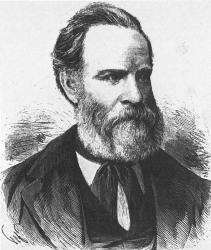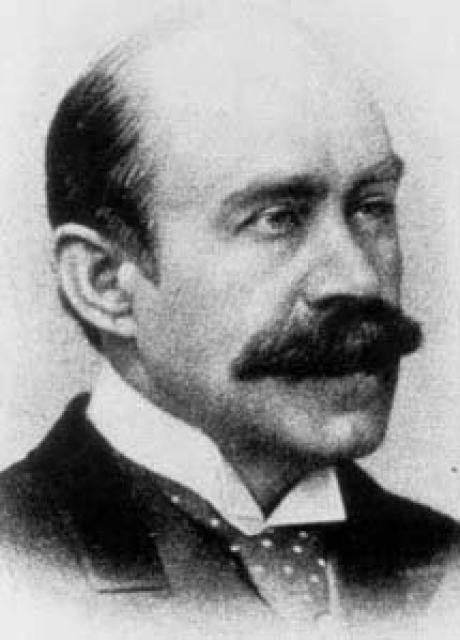
Walter Horatio Pater
 Great Britain
- Walter Pater: A Literary Luminary
- Early Life and Education
- Impressively Artistic Criticism
- Later Works
- The Quest for Ideal Living
Walter Pater: A Literary Luminary
Walter Horatio Pater (1839-1894) was an esteemed English literary figure who dedicated his writings to exploring the beauty in all its forms, spanning literature, art, and sculpture.
Early Life and Education
Born in London on August 4, 1839, Pater received his early education at King's School, Canterbury, before proceeding to Queen's College, Oxford. He spent the majority of his life as a teacher, writer, and scholar in Oxford, where he passed away on July 30, 1894.
Impressively Artistic Criticism
Pater's infatuation with the aesthetics of existence was reflected in his renowned writings on art and literature. His first literary venture, Studies in the History of the Renaissance (1873), was a compilation of essays exemplifying the tenets of impressionist criticism, characterized by its emotive flair, elaborate prose, and disregard for objective analysis.
Later Works
Among Pater's later writings, predominantly anthologies of critical essays, were Appreciations: With an Essay on Style (1889), Plato and Platonism (1893), Greek Studies (1895), Miscellaneous Studies (1895), and Essays from "The Guardian" (1896), with the latter three published posthumously.
The Quest for Ideal Living
In his literary works, Pater grappled with the intricacies of living a fulfilling life amidst constant change. In the novel Marius the Epicurean (1885), a young Roman seeks fulfillment in Epicureanism and Stoicism before finding his purpose in Christianity. Imaginary Portraits (1887) and the posthumously published Gaston de Latour (1896) explore the challenges faced by individuals with diverse personalities and morals in navigating the complexities of life.