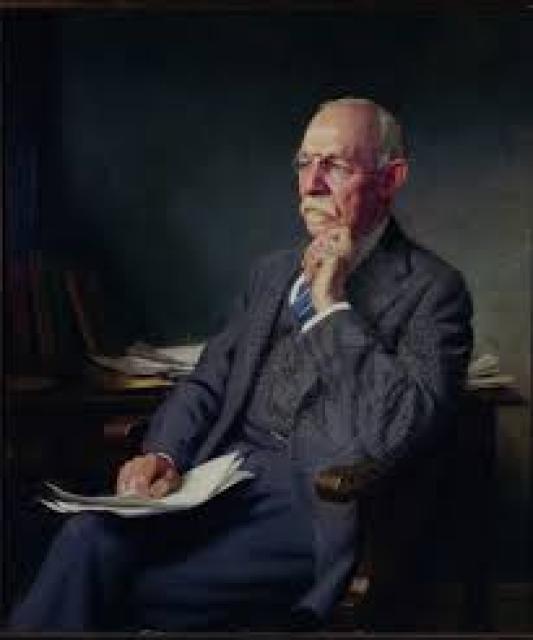
William Stewart Halsted
 USA
USABiography of William Stewart Halsted
William Stewart Halsted was an American surgeon who became the first physician in the United States to perform cholecystotomy, a surgical procedure on the bile ducts. He was also one of the first to perform blood transfusions, which became necessary for his sister after a difficult childbirth.
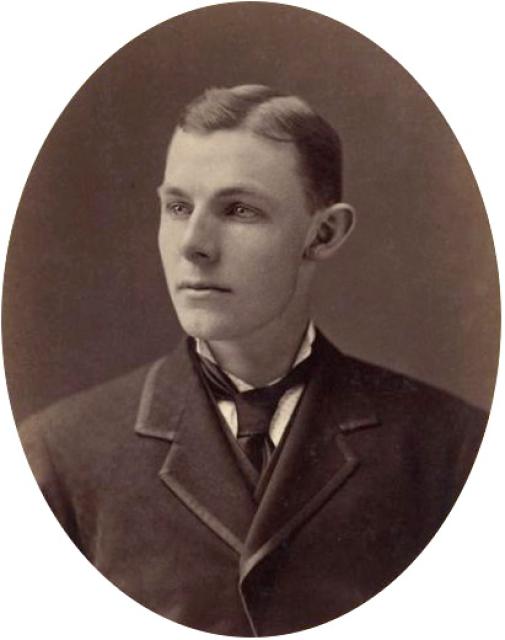
Early Life and Education
William Stewart Halsted was born in 1852 in New York City. His father, William Mills Halsted, was a businessman, and his mother was Mary Louisa Haines. He received basic education at home before attending school in Monson, Massachusetts. However, he was not satisfied with this school and transferred to Phillips Academy in Andover, Massachusetts, where he graduated in 1869. He then enrolled at Yale College, where he excelled not only in academics but also in sports and social life. He was the captain of the football team, played baseball, and participated in rowing. In 1874, Halsted entered the College of Physicians and Surgeons at Columbia University, from which he graduated with a medical degree in 1877.
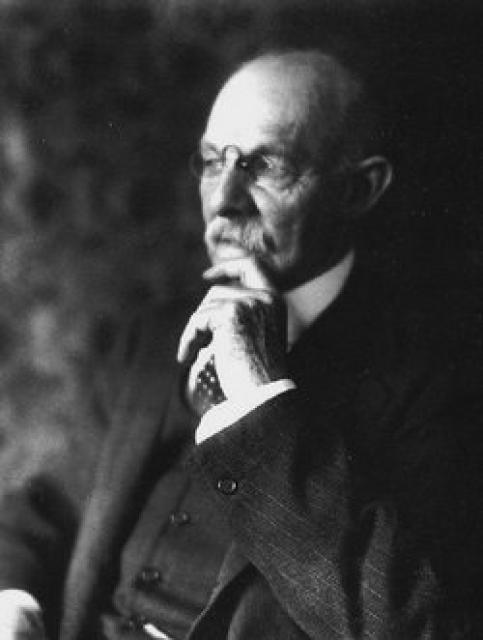
Career and Achievements
After completing his education, Halsted began working at New York Hospital, where he introduced the use of patient observation sheets, a new addition to medical documentation at the time. It was at this hospital that he met his close friend William H. Welch. Halsted then traveled to Europe, where he had the opportunity to meet renowned physicians such as Edoardo Bassini, Ernst von Bergmann, Theodor Billroth, Heinrich Braun, Friedrich von Esmarch, and many others.
Upon his return to New York in 1880, Halsted entered the most active period of his career. He performed numerous surgeries in several hospitals, establishing his reputation as a skilled surgeon and mentor to young doctors. In 1882, he became one of the first physicians in the United States to perform cholecystotomy. He also performed a blood transfusion for his sister, a procedure that was still relatively new at the time. Interestingly, Halsted had already been interested in blood transfusion before this opportunity arose, and his successful implementation of the procedure further solidified his methodology.
In 1884, inspired by Karl Koller's report on the anesthetic effects of cocaine, Halsted began experimenting with the drug. He discovered that cocaine could be a reliable anesthetic but also became addicted to it. This addiction affected his ability to work, leading him to seek treatment and transition to a morphine addiction. After undergoing treatment, Halsted moved to Baltimore, Maryland, where he reunited with his old friend William Welch and began working at Johns Hopkins Hospital. His personality changed significantly after the cocaine addiction, and he became more introverted.
Halsted became the head of the Department of Surgery in May 1889 and was promoted to professor three years later. He also established the Johns Hopkins University School of Medicine. He introduced several innovations in surgery, including new approaches to treating wounds, controlling bleeding, and improving sterility. He developed a radical mastectomy, which significantly improved the outcomes for breast cancer patients. Additionally, he made contributions to thyroid surgery, bile duct procedures, vascular diseases, and other areas of surgery.
It was Halsted who first used gloves during surgery in 1889, although the initial gloves were fabric. This innovation significantly reduced the risk of septic complications during operations.
Halsted was not only recognized as a talented surgeon and innovator but also as an exceptional teacher. Many renowned surgeons and neurosurgeons, including John Miller Turpin Finney, Hugh Hampton Young, and Harvey Williams Cushing, were mentored by him. The training program at the William Stewart Halsted School of Medicine could last an extended period.
In 1890, Halsted married surgical nurse Caroline Hampton, but they did not have any children. He passed away in Baltimore on September 7, 1922.



