Yan Kinsbergen
 Austria
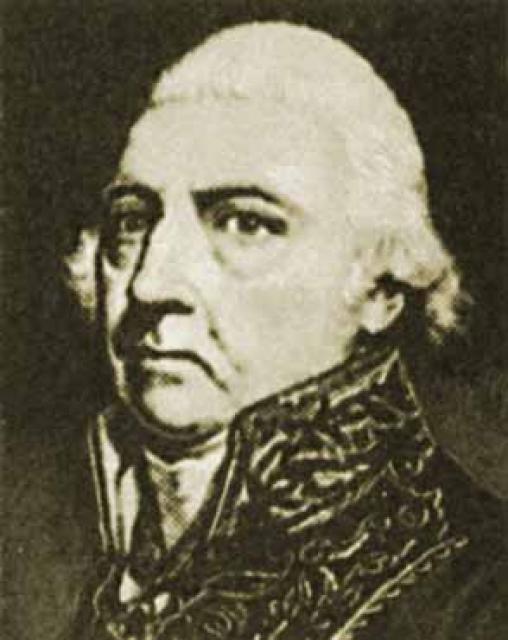
Jan Hendrik van Kinsbergen was a Dutch naval officer, strategist and philanthropist whose career carried him from the Russian fleet to the highest ranks of the Dutch navy. Born in Doesburg in 1735, he became a celebrated figure after the Battle of Dogger Bank and later devoted much of his wealth and influence to education, maritime knowledge and public welfare. Although this record lists Austria as his country, he was born and made his name in the Dutch Republic.
From soldier to sailor
Van Kinsbergen was the son of a noncommissioned officer in the Dutch army. As a boy he served in the land forces, but his ambitions turned to the sea. He studied navigation and engineering at the naval institute in Groningen before joining the Amsterdam Admiralty.
Seeking greater opportunities, he entered Russian service in 1771 during the Russo-Turkish War. He distinguished himself in Black Sea operations and became known for his tactical ability. In 1775 he returned to the Dutch fleet, where he was tasked with operations in the Mediterranean and diplomatic efforts to secure peace with Morocco.
The Battle of Dogger Bank
Van Kinsbergen’s lasting fame came during the Battle of Dogger Bank in 1781, fought between Dutch and British fleets during the Fourth Anglo-Dutch War. Serving as a senior officer under Johan Zoutman, he helped lead the Dutch squadron through a fierce engagement that ended without a decisive winner but became a rallying point for Dutch resistance. He was celebrated as a national naval hero and pressed for reforms to modernize the country’s divided admiralty system.
He rose to lieutenant-admiral and became a trusted naval adviser to stadholder William V. When the political upheaval of 1795 brought the Batavian Republic to power, the new government dismissed him and briefly imprisoned him. He returned to public prominence under the Kingdom of Holland: in 1806 he received the rank of marshal, and in 1810 he was made Count of Dogger Bank.
A legacy beyond the fleet
After retiring from active service, Van Kinsbergen settled in Apeldoorn. His marriage to the wealthy widow Hester Hooft had made him a man of substantial means; after her death, he used that fortune to support schools, scientific learning, arts and charitable institutions. In Apeldoorn he helped establish a school, an orphanage and a workhouse, while gifts and educational support reached other Dutch towns as well.
Van Kinsbergen died in 1819. His naval reputation endures in the name “Count of Dogger Bank,” but his legacy also lives through the fund established from his estate. It continues to support maritime life, education and culture, extending his public service well beyond his years at sea.