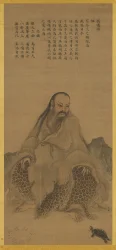
Yongzheng Emperor
The Yongzheng Emperor ruled Qing China for just over twelve years, but his reign left a lasting imprint on how the empire was governed. A tireless administrator, he expanded the emperor’s access to information, tightened financial oversight and strengthened central authority. His accession after the death of his father, the Kangxi Emperor, was disputed in later accounts, and the new ruler spent much of his reign consolidating his power as well as the state.
A prince takes the throne
Born Yinzhen on December 13, 1678, he was a son of the Kangxi Emperor, one of the longest-reigning monarchs in Chinese history. When Kangxi died in 1722, Yinzhen succeeded him and adopted the reign name Yongzheng. Stories that the succession was manipulated circulated later, but historians have debated the evidence, and the precise circumstances remain contested. He was the fifth Qing emperor and the third to rule after the dynasty’s conquest of China proper.
Yongzheng inherited a large, prosperous empire with a formidable bureaucracy, but also persistent problems of local corruption and unreliable financial accounts. He approached rule as a hands-on task. He read reports closely, questioned officials and expected clear answers. To receive information beyond the usual layers of administration, he expanded the confidential palace memorial system, allowing selected officials to report directly to him. This gave the emperor a more immediate view of local conditions and strengthened his ability to supervise his servants.
Reform and central control
Yongzheng sought to make government finance more orderly. His reforms addressed the unofficial charges local officials collected while converting tax payments into silver, bringing some of those revenues into the public treasury and providing officials with supplements to their salaries. The changes were meant to reduce corruption and fund government work more transparently. They were part of a broader effort to ensure that tax collection and administration served the state rather than local officials’ private interests.
The emperor also encouraged a more centralized system of decision-making. A small inner circle of trusted officials grew into the Grand Council, which helped him respond quickly to military and administrative matters. In the southwestern provinces, his government pressed to extend direct imperial administration over areas previously managed through local hereditary rulers. These measures strengthened the court’s reach, though they also brought greater state control to communities with distinct local traditions.
Yongzheng’s reign was closely tied to imperial legitimacy. He issued forceful defenses of Manchu rule and emphasized loyalty and political order. He also restricted Christian activity beyond the capital, while allowing some missionaries who served at court to remain. His approach combined practical administrative reform with a firm insistence on the emperor’s authority.
Succession and legacy
Yongzheng died on October 8, 1735, aged 56. His son Hongli succeeded him as the Qianlong Emperor, continuing the era of Qing expansion and cultural influence. Yongzheng used a method of secret succession, placing the chosen heir’s name in a sealed container inside the palace, intended to reduce the factional struggles that had accompanied earlier successions.
Remembered between the long reigns of his father and son, Yongzheng is sometimes overshadowed by them. Yet his administrative changes helped shape the high Qing state. The emperor’s confidential reporting system, fiscal oversight and compact council of advisers all served a ruler determined to know what happened across his empire and to make the central government more capable of acting on that knowledge.