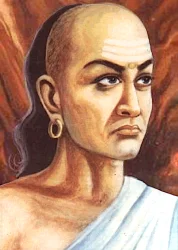
Zakir Husain
Zakir Husain was an Indian educator and statesman who served as the country’s third president from 1967 until his death in office in 1969. Long before reaching the presidency, he helped build Jamia Millia Islamia into a major national university and held leadership roles in higher education and public life. His career reflected a conviction that education could support both social development and a plural, independent India.
Education and the founding of Jamia
Born on 8 February 1897 in Hyderabad, Zakir Husain studied at Islamia High School in Etawah before attending the Muhammadan Anglo-Oriental College in Aligarh, later Aligarh Muslim University. As a student he became involved in debates about education, political independence, and the future of India.
In 1920 he joined a group of educators and nationalists who founded the National Muslim University at Aligarh. The institution later moved to Delhi and became Jamia Millia Islamia. Husain went to Germany for further study, earning a doctorate in economics at the University of Berlin, and returned to India in 1926 to lead Jamia. As vice-chancellor, he guided the university through financial and political difficulties for more than two decades, emphasizing practical learning, teacher development, and service.
Public service and presidency
After leaving Jamia in 1948, Husain became vice-chancellor of Aligarh Muslim University. He later served as governor of Bihar from 1957 to 1962 and as vice-president of India from 1962 to 1967. His work in education extended beyond university administration: he supported educational reforms and served on national bodies concerned with schools and basic education.
In 1967 Husain was elected president, becoming the first Muslim to hold India’s highest constitutional office. The presidency was largely ceremonial, but he used it to speak about national unity, learning, and civic responsibility. He held office during a period of political change and public debate about India’s democratic institutions. His term ended abruptly when he died on 3 May 1969, making him the first Indian president to die in office.
Personal life and legacy
Husain was married to Shah Jahan Begum, and they had two daughters. His scholarly interests included economics, education, and literature. He translated works including Plato’s *Republic* into Urdu and wrote on educational theory and public ethics.
He received the Padma Vibhushan in 1954 and the Bharat Ratna, India’s highest civilian honor, in 1963. His legacy is especially visible in Jamia Millia Islamia, where his leadership helped the institution survive its early challenges and establish a lasting role in Indian education. His public career joined academic work with national service, and his presidency gave symbolic weight to the secular and plural ideals of the republic.