Zoubair Lahdodi
 Morocco
Zoubair Ladodi: A Journey of Hope
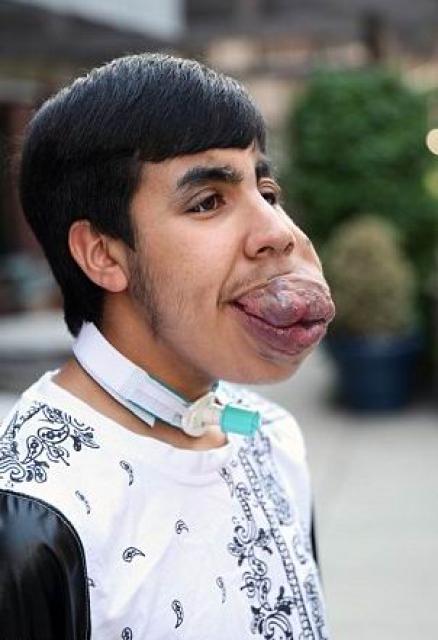
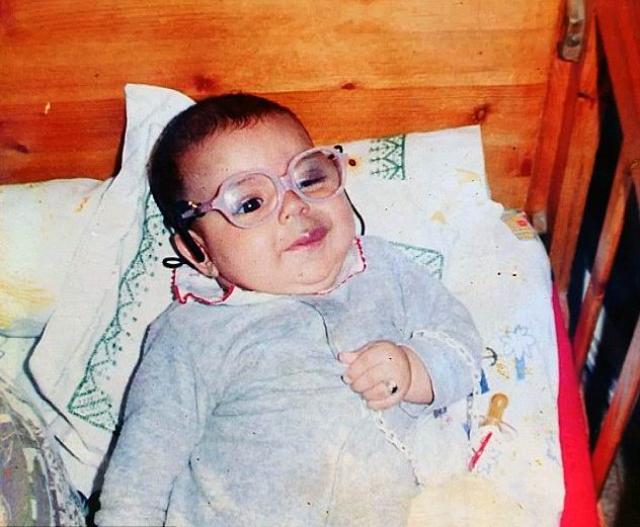
Zoubair Ladodi, a Moroccan teenager with a vascular malformation, lived with a giant tumor that engulfed his face, posing a constant threat of a potentially fatal hemorrhage. Since childhood, Zoubair stood out from his peers with a horrifying growth on the left side of his face. The teenager's lips and tongue were turned outward due to swollen and dilated blood vessels beneath the skin. Despite this drastic physical defect, Zoubair did not receive any derogatory nicknames. Instead, the locals called him "Zoubair the Stuntman" because of his incredible tricks performed on the streets of Casablanca.
Living with such a burden on his face for 18 years, enduring sideways glances and hurtful words, Zoubair embarked on a journey of 5600 kilometers to New York, where he was offered treatment. American surgeons operated on Zoubair, gradually reducing the size of his tumor. Two successful surgeries have already been performed to remove his lower lip and tongue, and more dangerous formations are expected to be removed in the coming months.
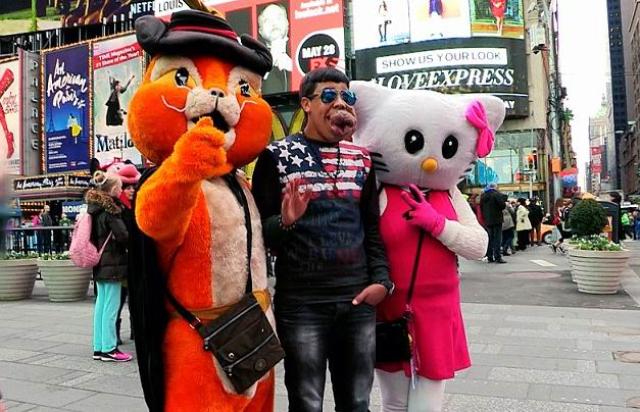
Zoubair said, "Some people laugh at me, but they shouldn't judge me by my deformity; they should look inside my mind." His mother, Aisha, expressed her desire for her son's improvement, saying, "I want my son to get better. I want God to help him." His father, Abderrahman, a taxi driver, was unable to afford his son's flight to America, where life-saving surgery awaited him. The necessary funding was provided by the Warner Foundation, a charitable organization that helps children in need worldwide.
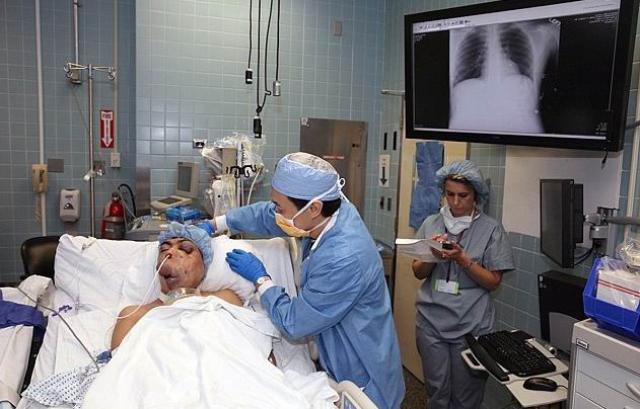
Upon arriving in New York, Zoubair was entrusted to the hands of vascular surgeon Dr. Milton Warner and his team at Lenox Hill Hospital in Manhattan. Dr. Warner stated, "Zoubair's vascular malformation has reached an extreme form. Leading a normal life with such problems is simply impossible." He further explained that any impact could trigger a deadly hemorrhage, stating, "Blood can start gushing out so fast that Zoubair could choke on it. He is at a serious risk of bleeding, and there is a high chance of spontaneous bleeding, so anything can happen even without the slightest touch. I would say Zoubair is a walking time bomb, so we really need to hurry and help him."
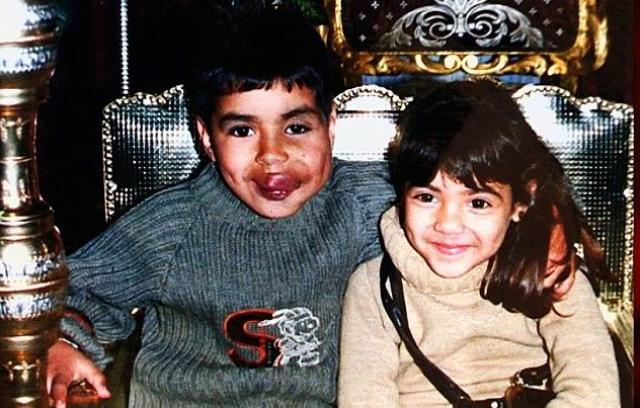
Before the surgical intervention, Zoubair experienced severe difficulties in eating, sleeping, speaking, and even breathing. He hopes that after the comprehensive treatment, he will be able to experience the joys of a normal life. During the first surgery, the teenager lost a dangerous amount of blood due to the rupture of his blood vessels. He spent 10 days in the intensive care unit. Despite all the risks, Zoubair is grateful for the treatment provided to him in America. He said, "I never expected this. It is a huge help. I thank the people who brought me here."
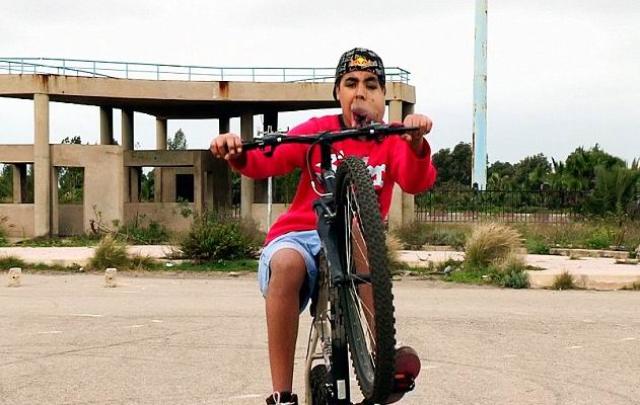
Now, Zoubair eagerly awaits the moment when he can return home and ride his beloved bike. He said, "All my friends, my family, and myself will be happy when I come back."

Understanding Vascular Malformation
Vascular malformation refers to various types of congenital vascular anomalies. Some patients experience deformities only in their veins, while others suffer from defects in their lymphatic vessels. Some individuals face abnormalities in both veins and arteries simultaneously.
Zoubair was affected by venous malformation, the most common type of vascular anomaly. The process of the condition starts from birth, but its manifestations become evident at different ages depending on the individual. Experts are still unable to fully explain the causes of such developmental disorders. Research suggests that vascular malformation is often inherited genetically. However, scientists believe that most malformations occur during the development of the affected individual's blood vessels.
Symptoms of vascular malformation can vary depending on the affected part of the body. In the case of venous malformation, which Zoubair suffered from, pain may be present at the site of the anomaly. A lump often forms beneath the skin, and a birthmark may appear on the surface. Bleeding and fluid leakage from the affected skin area are also common.
In most cases, surgical intervention is required to improve the patient's condition. However, surgeons rarely succeed in completely removing the entire malformation.