Abbas Al-Musawi
 Lebanon
- Origins and Religious Education
- Hezbollah’s Formation
- Leadership and Conflict
- Personal Life and Death
- Legacy
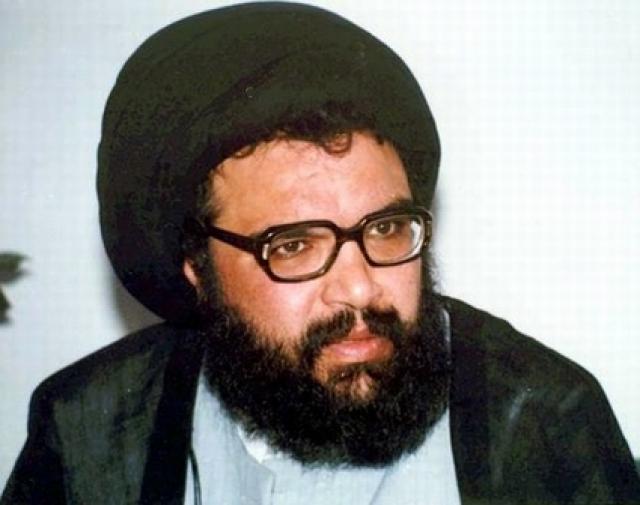
Abbas al-Musawi rose from religious teaching in Lebanon’s Bekaa Valley to the leadership of Hezbollah during one of the most turbulent periods in the country’s modern history. A cleric and organizer with close links to Iran, he helped build the movement’s early networks and became its secretary-general in 1991. His leadership ended in a deadly Israeli air strike that killed him, his wife, their young son, and several members of his convoy.
Origins and Religious Education
Al-Musawi was born in 1952 near Baalbek, in Lebanon’s Bekaa Valley. He was a Shiite Muslim cleric, and like a number of Lebanese religious figures of his generation, he studied at the seminaries of Najaf in Iraq. There he encountered the ideas of influential cleric and political thinker Muhammad Baqir al-Sadr. The seminary connections formed a network of Lebanese students who later carried political and religious ideas back home as regional upheaval reshaped the Middle East.
He returned to Lebanon and became a preacher and religious teacher. By the early 1980s he was based in Baalbek, where he headed the al-Imam al-Muntazar seminary. His work combined preaching with organizing: mosques, religious schools, and clerical networks became meeting places for people drawn into the resistance against Israel’s military presence in Lebanon.
Hezbollah’s Formation
Israel’s 1982 invasion of Lebanon accelerated the formation of new armed movements. In the Bekaa Valley, Iran’s Revolutionary Guards established a presence and helped train recruits. Al-Musawi was among the early participants in this developing resistance network, which became Hezbollah. He was not simply a public spokesman: he helped connect religious institutions, recruitment, and logistics, and his seminary became one of the movement’s important bases in the region.
Hezbollah emerged amid Lebanon’s civil war and the conflict over Israeli occupation in the south. Its supporters presented the movement as a force of resistance; its armed campaign also included attacks and hostage-taking attributed to Hezbollah or factions linked to it. The movement’s close relationship with Iran shaped its ideology, organization, and resources. Al-Musawi was known for close ties with Iranian officials and for a hard-line opposition to Israel, while also operating in a political landscape where negotiations over hostages and prisoners were under way.
Leadership and Conflict
In 1991, al-Musawi became Hezbollah’s second secretary-general, succeeding Subhi al-Tufayli. The position placed him at the head of a movement that was debating its future after the end of Lebanon’s civil war. Hezbollah was weighing whether to enter parliamentary politics even as its fighters continued their campaign against Israeli forces and the Israeli-backed South Lebanon Army in the occupied border zone.
Al-Musawi’s tenure lasted less than a year. On February 16, 1992, Israeli helicopter gunships attacked his motorcade near the village of Jibsheet in southern Lebanon. The strike killed al-Musawi, his wife Siham, their six-year-old son Hussein, and five bodyguards. The Israeli government described the operation as a targeted action against a Hezbollah leader it held responsible for attacks on Israeli forces. The killing was part of an already escalating cycle of violence, and the deaths of his family members drew immediate attention to the civilian toll of the strike.
Personal Life and Death
Al-Musawi and Siham had six children. The attack that killed the couple also took the life of their youngest son, leaving their surviving children without both parents. The family tragedy became inseparable from the political meaning of his death: Hezbollah supporters commemorated him as a martyr, while Israeli officials framed the strike as a blow against the armed organization.
Two days after the attack, Hezbollah’s leadership selected Hassan Nasrallah to succeed him. Nasrallah would lead the organization for decades, making al-Musawi’s short term in office a pivotal transition in the group’s history. His death intensified hostilities and became a lasting symbol in Hezbollah’s remembrance culture.
Legacy
Al-Musawi’s historical significance rests on the role he played in Hezbollah’s formative years: a cleric who used religious and educational networks to help organize an emerging movement, then led it at a moment of change. His legacy remains deeply contested. Hezbollah and its supporters honor him as a resistance leader killed by Israel; critics emphasize his place within an organization responsible for armed attacks and kidnappings. His life and death reflect the overlapping forces of religious activism, foreign influence, occupation, civil war, and political violence that shaped Lebanon in the 1980s and early 1990s.