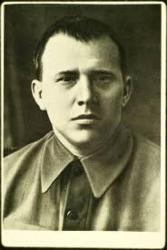
Abdel Amer
 Egypt
Egypt- Early Life and Military Career
- Free Officers Movement and Military Coup
- Rise to Power and Presidency of Egypt
- Suez Crisis and Formation of OAR
- Honors and Positions
- Conflict with Nasser and Attempted Coup
- Death and Legacy
Early Life and Military Career
Abdel Hakim Amer was born in Egypt on December 11, 1919. From an early age, he was dedicated to military service and became a cadet at the Military Academy in 1938.
Free Officers Movement and Military Coup
During his time at the academy and subsequent service in Sudan, Amer formed close relationships with three officers: Gamal Abdel Nasser (future president of Egypt), Zakaria Mohieddin (later vice president), and Anwar Sadat (future president). Together, they founded the underground "Free Officers" organization in 1942-44, aiming to oust British colonialists and overthrow the Egyptian monarchy. Amer played a key role in the military coup of July 23, 1952, blocking the General Staff Headquarters.
Rise to Power and Presidency of Egypt
After the coup, Egypt was proclaimed a republic in 1953, with General Muhammad Naguib as president and Amer as Supreme Commander. Amer played a significant role in forcing Naguib's resignation and his subsequent house arrest in 1954.
Suez Crisis and Formation of OAR
During the Suez Crisis of 1956, Amer commanded the Egyptian armed forces. In February 1958, Egypt and Syria merged to form the United Arab Republic (OAR). Amer became Nasser's personal representative in the Syrian Region.
Honors and Positions
Amer was awarded the title of Field Marshal in 1958 and received the Hero of the Soviet Union honor in 1964. In addition to his role as Minister of Defense, he held various positions, including First Vice President, Minister of Science, and Chairman of the Atomic Energy Commission.
Conflict with Nasser and Attempted Coup
On June 8, 1967, during the Six-Day War, Amer led an anti-presidential coalition demanding Nasser's resignation. He was defeated and forced to resign the following day. Amer later attempted a coup in 1967 to regain control of the General Staff, but it failed.
Death and Legacy
On September 14, 1967, Amer was found dead under suspicious circumstances, officially ruled as suicide. Despite his downfall, Amer's contributions to Egypt's independence and military development were recognized. He was buried in Cairo and received numerous awards, including the Order of Lenin and the Egyptian Order of the Republic.