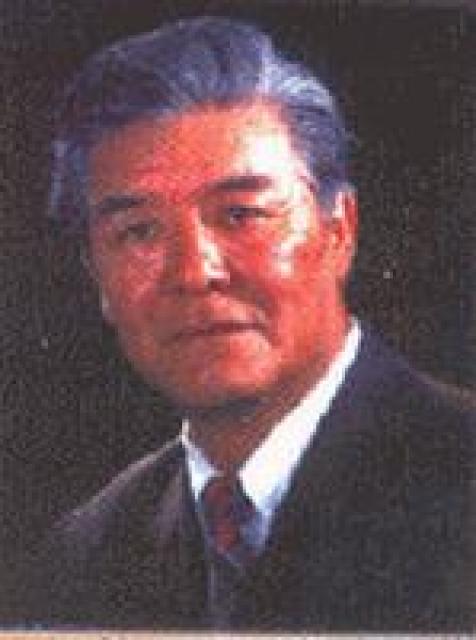
Abdulrahim Tileshup Otkur
- Life and Times of Abdurahim Tilexup Otkur
- Literary and Political Career
- Imprisonment and Persecution
- Literary Legacy
- Legacy and Impact
Life and Times of Abdurahim Tilexup Otkur
Early Life and EducationAbdurahim Tilexup Otkur, a renowned Uyghur poet and prose writer, was born into a prominent family in the Xinjiang region of China. He completed his studies at Xinjiang University in 1942, where he excelled in language and literature.
Literary and Political Career
From 1942 to 1949, Otkur served as an editor for the newspaper "Altay Geziti till." After 1949, he utilized his polyglot abilities in Uyghur, Chinese, Russian, English, and other Turkic languages as a translator in various government offices. In 1980, he joined the Literary Research Institute of the Academy of Philosophy and Social Sciences in the Xinjiang Uyghur Autonomous Region.
Otkur's political engagement extended beyond his writings. In 1988, he was appointed Deputy Chairman of the Board of Directors of the "Kutadgu Bilig" Society, an influential Uyghur cultural organization.
Imprisonment and Persecution
According to some sources, Otkur was imprisoned by Chinese authorities on charges of nationalist activities during two periods: from 1951 to 1958 and from 1966 to 1976. These incarcerations significantly disrupted his literary and personal life.
Literary Legacy
Otkur's literary prowess was first acknowledged in 1940 with the publication of his poems. His collections "Along the Tarim River" and "Melodies of the Heart" gained immense popularity among Uyghur readers. His later novels, "The Road" and "Forgotten Land," emerged as widely acclaimed works that deeply resonated with the Uyghur experience.
Legacy and Impact
Abdurahim Tilexup Otkur left an enduring mark on Uyghur literature and culture. His writings continue to inspire and resonate with generations of Uyghurs, reminding them of their shared history and struggles. As a witness to the turbulent events of the 20th century, Otkur's work provides valuable insights into the complexities of Uyghur identity and aspirations.