Abel Gance
 France
- Abel Gance: French Film Director and Actor
- Early Life and Career
- Breakthrough in Film
- Later Career and Notable Films
- Critical Reception
- Personal Life
Abel Gance: French Film Director and Actor
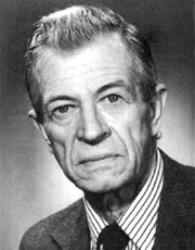
Abel Gance was a renowned French film director and actor. He was born in 1889 in Paris, France. Gance's exceptional talent in the field of cinema earned him several prestigious awards and accolades throughout his career.
Early Life and Career
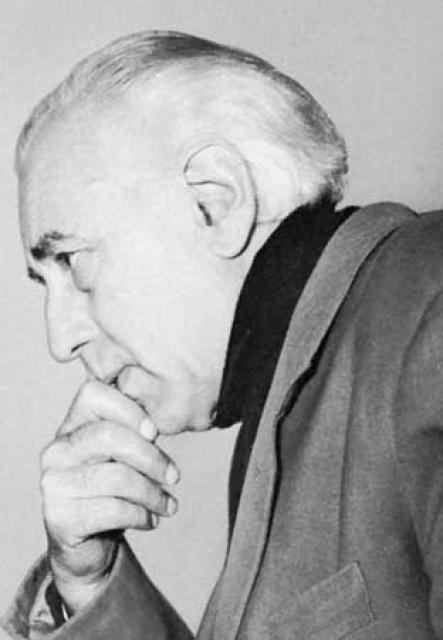
Abel Gance was the illegitimate son of wealthy physician Abel Flamant and Francoise Perretin. His mother was married to Adolphe Gance. Gance began his career in the theater in 1908, performing in Paris and Brussels. He wrote two tragedies and made his acting debut in Leon Perre's film "Moliere" in 1909. Gance also wrote a book of poems titled "Finger on the Keyboard" and developed a passion for screenplay writing.
Breakthrough in Film
In 1911, Gance directed his first film, "La Digue" (The Dam). He collaborated with Max Linder in many films and also wrote screenplays for Louis Feuillade, Albert Capellani, and Camille de Marlon. Gance was known for his innovative technical techniques, which he showcased in the film "The Madness of Dr. Tube," featuring experimental and combined shots. Despite the failure of this film, Gance went on to direct several more successful films, including the popular series "Barbarossa."
Later Career and Notable Films
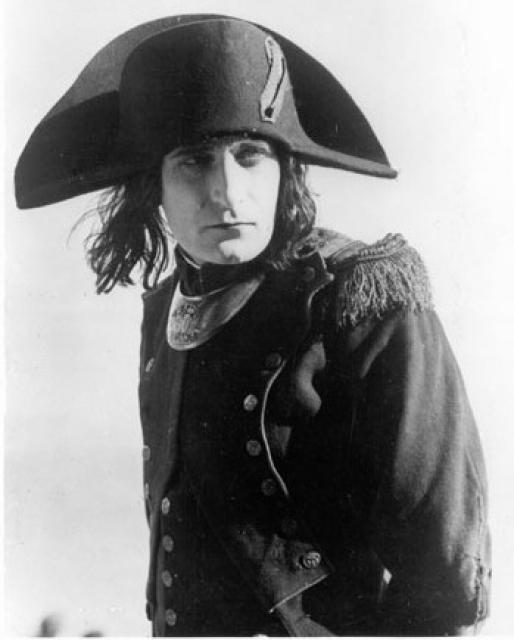
In 1914, Gance was mobilized into the army and directed propaganda films such as "The Heroism of Paddy" (1915), "Strass and K" (1915), and "Deadly Gas" (1916). After 1917, Gance directed several significant films, including "Mater Dolorosa," "The Tenth Symphony," "I Accuse," and "The Wheel." In 1927, he directed and starred in "Napoleon," which was intended to be a trilogy but faced budget constraints for the remaining two parts. The third part, titled "Napoleon on the Island of St. Helena," was directed by Lupu Pick in 1929. The film was later voiced in 1936 and released as an extended version in 1971. A more complete version, reconstructed by English historian Kevin Brownlow, premiered in New York in 1981 and caused a sensation.
Critical Reception
Critics often highlighted the ambivalence in Gance's work, where grandeur and poverty, pretentiousness and lyricism, pathos and primitive symbolism coexist. Gance was known for his abundant innovations alongside trite clichés and poor taste. Despite varying opinions, Gance's talent and contributions to the film industry were widely recognized. He received the National Grand Prize in Cinema in 1974 and an honorary César Award in 1980.
Personal Life
Abel Gance's personal life and relationships remain largely unknown. However, his passion and dedication to cinema continue to inspire filmmakers and cinephiles around the world. His groundbreaking techniques and artistic vision have left a lasting impact on the film industry, cementing his legacy as one of the most influential French directors of all time.