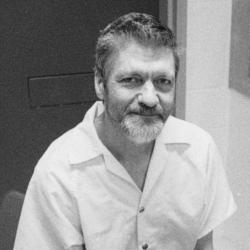
Abu Nidal
 Jordan
Biography of Abu Nidal
Abu Nidal, born in May 1937 in Jaffa, Palestine, was the leader of the Revolutionary Council of Fatah. He was the son of Khalil Banna, a landowner, and his eighth wife, making him the fourteenth child in the family. His real name was Sabri Khalil ibn-Banna.
Abu Nidal's father passed away in 1945, and in 1948, his family had to leave Jaffa. They lived in Gaza for a while before settling in Nablus on the West Bank of the Jordan. In 1955, he enrolled in the engineering faculty of Cairo University, where he studied for two years. After returning home, he taught at a school in Jerusalem. In 1960, he moved to Saudi Arabia and worked for a construction company.
It was in Saudi Arabia that Nidal joined the Palestinian Arab Socialist Movement (PASM) and Fatah in 1967. However, due to his political beliefs, he was arrested, and his family was expelled from the country. After his release from prison, he arrived in Nablus and later moved to Amman in 1967. It was during this time that he adopted the name Abu Nidal, which means "father of struggle" or "comrade Nidal." He quickly rose through the ranks of Fatah, and his leadership was marked by ambition, toughness, and initiative.
Abu Nidal traveled to Korea and China, where he spent four months studying guerrilla tactics. In 1969, he was appointed head of Fatah's branch in Sudan, which was the highest position he achieved within Fatah. However, due to his excessive independence, he was recalled and transferred to Iraq. This marked the beginning of a long period of collaboration between Nidal and Saddam Hussein.
In September 1973, Abu Nidal carried out his first independent act of terrorism by capturing the Saudi Arabian embassy in Paris, which led to his expulsion from Fatah. In December 1973, he and Ahmed Gafur committed the murder of 55 people in the Athens airport. Arafat condemned this crime. In 1974, Abu Nidal was sentenced to death in absentia by the PLO tribunal for his extremist actions.
In 1975, Abu Nidal opposed Arafat's statement recognizing the right of Jews to live in Palestine. His militants hijacked a British plane and demanded the return of Arafat's delegation. In response, Abu Nidal was removed from all his positions within the Palestinian Resistance. He ordered his militants to assassinate Arafat, but the assassins were intercepted. Unable to reach Arafat, Abu Nidal attempted a series of assassinations against Arafat's supporters, including Said Hammami and Issam Sartawi.
While serving under Hussein, one of Abu Nidal's main activities was attacking Syrians. The first period of cooperation with Saddam Hussein ended in November 1983 when Abu Nidal was escorted to Syria. Assad accepted Abu Nidal into his service, and from 1984, Abu Nidal organized attacks against Jordanians. However, the following year, Assad and King Hussein reconciled, forcing Abu Nidal to move to Libya.
In 1990, Abu Nidal returned to Iraq and then relocated to Sudan. His current whereabouts are unknown, but it is possible that he is in Lebanon. Abu Nidal achieved success in business, earning $350 million through arms trading and other ventures. He had business connections with the Bank of Credit and Commerce in London and the intelligence services of East Germany. In the late 1980s, his financial affairs were exposed, and in response to the threat of having his accounts blocked by Swiss banks, he kidnapped a representative of the Swiss Red Cross in Lebanon.