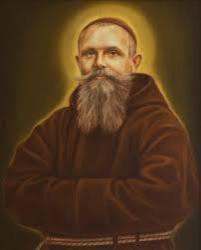
Adon Vienensky
- Saint Ado: A Renowned Archbishop and Scholar
- Distinguished Academic Career
- Return to Lotharingia and Episcopal Appointment
- Ecclesiastical Reforms and Intellectual Pursuits
- Principled Stance in the Lothar II Divorce Case
- Ecclesiastical Council and Literary Contributions
- Sainthood and Legacy
Saint Ado: A Renowned Archbishop and Scholar
Early Life and EducationBorn into a devout Frankish family, Ado received an exceptional education at the esteemed Ferrières Abbey under the tutelage of Abbot Servatus Lupus, a luminary of the Carolingian Renaissance. There, he professed his monastic vows and joined the Benedictine Order.
Distinguished Academic Career
After his ordination, Ado disseminated knowledge as a teacher at the monastic school in Prüm. His pursuit of scholarship led him to Rome in 853, where he spent five enriching years.
Return to Lotharingia and Episcopal Appointment
In 858, Ado returned to Lotharingia and was assigned as a priest in a church near Vienne. Despite opposition from Count Gerard, he was elected Archbishop of Vienne in 860, succeeding Archbishop Agilmar.
Ecclesiastical Reforms and Intellectual Pursuits
As Archbishop, Ado implemented comprehensive reforms, revitalizing monastic and parish life. His profound scholarship fostered an active correspondence with Pope Nicholas I, who granted him the pallium in 861.
Principled Stance in the Lothar II Divorce Case
Ado's integrity was tested in the divorce proceedings of King Lothar II of Lotharingia. When a corrupt synod sanctioned the king's remarriage, Ado denounced the injustice to Pope Adrian II, who annulled the decree.
Ecclesiastical Council and Literary Contributions
In 870, Saint Ado convened a church council in Vienne. His literary legacy includes the historical "Chronica," chronicling contemporary events until 869, as well as hagiographies of Merovingian saints and the renowned "Martyrology," which gained widespread recognition in the Middle Ages.
Sainthood and Legacy
Ado's unwavering piety and scholarly achievements earned him sainthood. The Catholic Church commemorates Saint Ado on December 16th. His works remain a testament to his exceptional intellectual contributions during the Carolingian Renaissance.