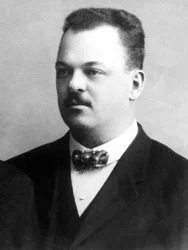
Aga Khan IV
Aga Khan IV was the 49th hereditary Imam of the Shia Imami Ismaili Muslims and the founder of the Aga Khan Development Network. Born Prince Karim Al-Hussaini in 1936, he became spiritual leader of the global Ismaili community at age twenty, while still a student at Harvard. Over nearly seven decades, he combined religious leadership with institution-building in health, education, culture, architecture, and economic development.
A young imam
He was born in Geneva, Switzerland, on December 13, 1936, to Prince Aly Khan and Princess Tajudawlah. He grew up in a family whose public life connected South Asia, Europe, and the Middle East. He studied at Harvard University, where he focused on Islamic history.
In 1957, after the death of his grandfather, Aga Khan III, Karim succeeded him as the 49th hereditary Imam. The decision placed a young leader at the head of a community living across many countries and facing the rapid changes of the postwar era. He completed his Harvard degree in 1959 and began extensive travel to meet Ismaili communities and understand their needs.
Development and cultural institutions
Aga Khan IV founded the Aga Khan Development Network, a group of institutions working in areas including health care, education, rural development, cultural preservation, and economic opportunity. Its projects have included schools and hospitals, universities, housing and infrastructure initiatives, and programs intended to support communities with limited access to services. The network operated through partnerships with governments, businesses, and international organizations.
He also placed strong emphasis on architecture and the built environment. In 1977, he established the Aga Khan Award for Architecture, which recognizes projects that improve the quality of life in Muslim societies and preserve cultural heritage. The Aga Khan Trust for Culture supported restoration of historic sites and public spaces, while the Aga Khan Museum in Toronto presented arts and cultural traditions from Muslim societies. These efforts reflected his view that development should include both material well-being and cultural confidence.
His approach to leadership joined religious guidance with practical institution-building. He encouraged education and professional development across the Ismaili community, while supporting initiatives intended to benefit people of diverse backgrounds and faiths. His work received international recognition, including honorary degrees and public honors from multiple countries.
Final years and legacy
Aga Khan IV died in Lisbon on February 4, 2025, aged 88. He had served as Imam for nearly 68 years, making his leadership one of the longest in the history of the Ismaili Imamat. His successor became the 50th hereditary Imam after his death.
His legacy rests on the scale and reach of the institutions he created, as well as on his role as a spiritual leader. The development network, architecture award, universities, and cultural programs continue to shape education, public health, urban design, and heritage preservation in many regions. His life connected a religious office with a global development vision, building organizations intended to serve communities for generations.