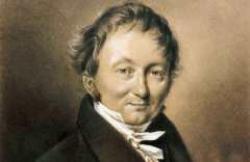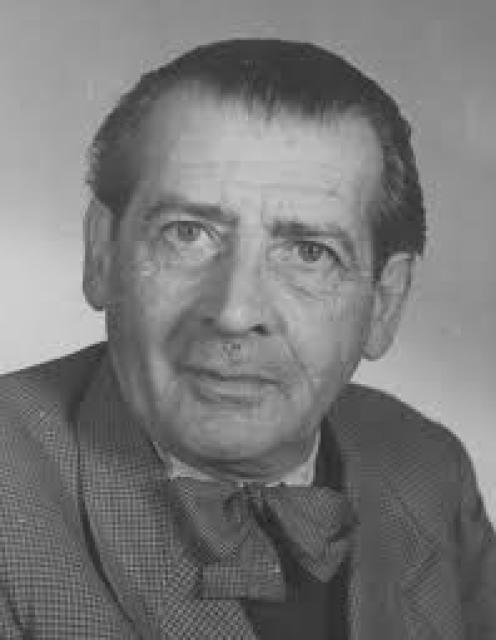
Albert Paris Gutersloh
 Austria
- Albert Paris Gütersloh: Visionary Artist and Writer
- Artistic Debut and Parisian Influences
- Klimt's Influence and Literary Pursuits
- Name Change and Autobiographical Work
- Theater and Art Education
- Political Repression and Post-War Career
- Legacy and Recognition
Albert Paris Gütersloh: Visionary Artist and Writer
Early Life and EducationBorn Alfons Kittner in Vienna, Austria, Gütersloh initially pursued a religious vocation at Catholic boarding schools in Melk and Bolzano. However, in 1904, he turned to the stage, training as an actor and performing in provincial theaters throughout Austria-Hungary and Germany. Under the tutelage of Max Reinhardt, he gained a position at the Deutsches Theater in Berlin.
Artistic Debut and Parisian Influences
Gütersloh's artistic debut came in 1909 at the International Exhibition in Vienna. He subsequently showcased his work at the Vienna Art Club, the Vienna Secession, and in exhibitions in France, Italy, and Germany. In 1911, he traveled to Paris, where he worked as an art critic and studied oil painting under Maurice Denis.
Klimt's Influence and Literary Pursuits
Upon returning to Vienna, Gütersloh became a disciple of Gustav Klimt, joining his circle of artists that included Egon Schiele and Josef Hoffmann. In 1911, he published his first novel, the Expressionist "Dancing Fool." From 1914 onwards, he ventured into publishing, launching the magazine "Der Kuckabout" and later "Die Rettung" (1918-19). In 1922, he released his second novel, "Liar Among Citizens," for which he received the Theodor Fontane Literary Prize.
Name Change and Autobiographical Work
In 1921, Kittner officially changed his name to Albert Paris von Gütersloh, a pseudonym he had used since 1906. In 1926, he published his autobiography, "Confessions of a Modern Artist."
Theater and Art Education
Gütersloh served as artistic director of the Munich House of Theater from 1919 to 1921. He also worked as a stage designer for the Vienna Burgtheater. From 1930 to 1938, he taught at the Vienna School of Applied Arts. He was a member of the Vienna Secession from 1933 to 1939.
Political Repression and Post-War Career
After the Anschluss of Austria, Gütersloh was labeled a degenerate artist by the Nazis. He was stripped of his professorship in 1938 and banned from painting in 1940. During this period, he shared a residence with the writer Heimito von Doderer, who wrote the first monograph on Gütersloh. In 1962, Gütersloh's novel "Sun and Moon" caricatured Doderer, leading to a rift between the friends.
From 1945 to 1962, Gütersloh headed the art school of the Vienna Academy of Fine Arts. He became rector of the school in 1953 and was appointed professor in 1955. In 1951, he founded and became the first president of the Federation of Modern Austrian Artists. Throughout his career, Gütersloh received numerous artistic and literary awards in Austria.
Legacy and Recognition
In 1987, the Austrian postal service issued a commemorative stamp in honor of Gütersloh's birth centenary. His work continues to be celebrated for its visionary qualities, bridging the realms of art, literature, and theater.