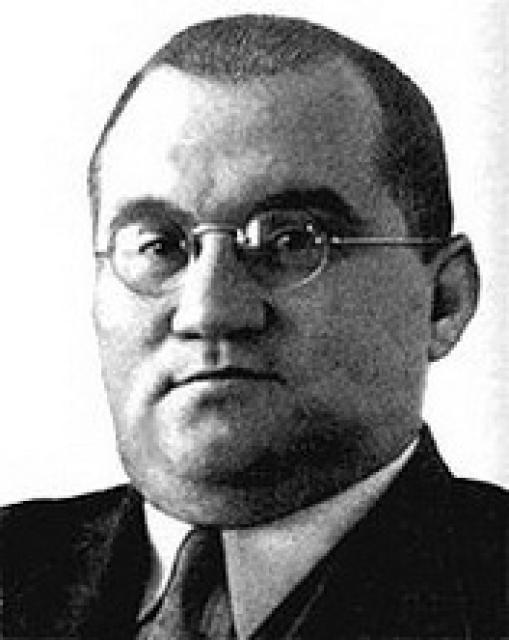
Aleksandrs Grins
 Latvia
- Aleksandr Grīns: Latvian Writer and Soldier
- Heavy Wounding and Return to Latvia
- Military Journalism and Retirement
- Literary Achievements
- Return to Military Service and Arrest
- Legacy
Aleksandr Grīns: Latvian Writer and Soldier
Early Life and Military ServiceAleksandr Grīns was born in Jelgava County near Jēkabpils, Latvia. After secondary school in Cēsis, he volunteered for the Imperial Russian Army and fought in World War I. In 1915, he graduated from a Moscow military school as a warrant officer and was sent to the front. Later, he transferred to the newly formed Latvian Riflemen battalions.
Heavy Wounding and Return to Latvia
In July 1917, Grīns was severely wounded and evacuated to Petrograd after the collapse of the Western Front. He returned to Latvia after the signing of the Treaty of Brest-Litovsk. In 1919, he was mobilized into the Latvian SSR army but defected to the Latvian Republic forces during its retreat.
Military Journalism and Retirement
In 1920, Aleksandr Grīns became a captain in the Latvian army. From 1920 to 1924, he served as a military journalist and was deputy editor-in-chief of the Latvian army magazine "Latvijas Kareivis." In 1924, Grīns retired from military service and began a career as a professional writer.
Literary Achievements
Between 1932 and 1934, Grīns published two volumes of his acclaimed World War I novel "Dvēseļu Putenis" ("Souls in the Snowstorm").
Return to Military Service and Arrest
In 1939, Aleksandr Grīns returned to military service, guarding Latvia's state border. After the Soviet annexation of Latvia, he was arrested by the NKVD in June 1941 and taken to Astrakhan. On Christmas Day of that year, he was executed by firing squad.
Legacy
A street in Riga, Latvia, is named after Aleksandr Grīns. His literary and military contributions continue to be remembered and celebrated in his home country.


