Ali Hamenei
 Iran
IranBiography of Ali Khamenei
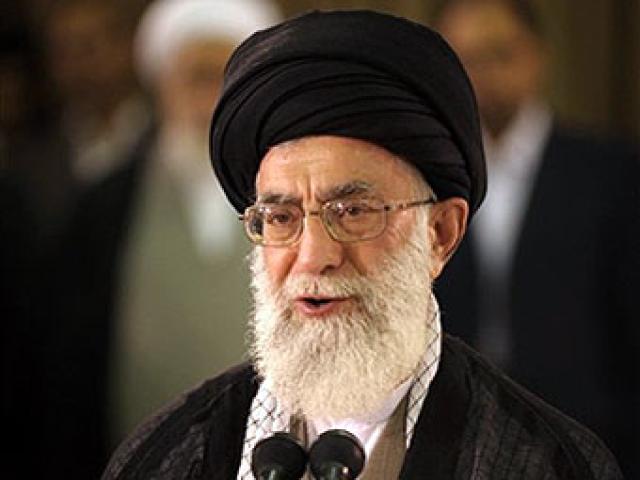
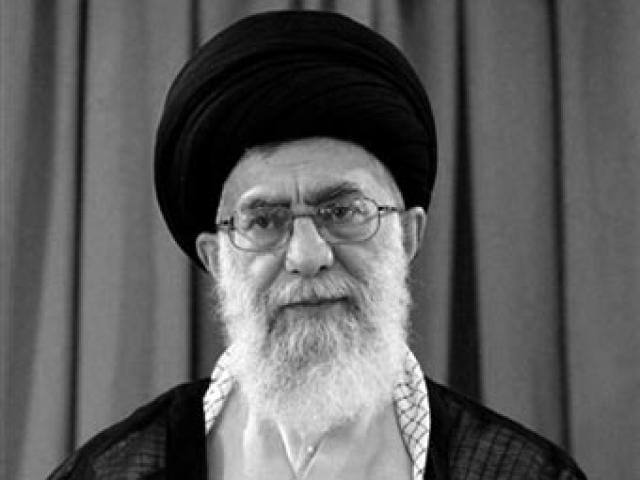
Ali Hoseyni Khamenei was born on July 17, 1939 (Tir 24, 1318) in Mashhad, Iran, to a poor Azerbaijani family. His father was a local mosque imam, and Ali, along with his two brothers, followed in his father's footsteps. He attended an Islamic school and did not complete his general education. In the Mashhad Shia Seminary (Hawza), his mentors were Hajj Sheikh Hashem Gazvini and Ayatollah Melani. In 1957, Khamenei moved to Najaf, and the following year, to Qom. In Qom, he met Ayatollah Hussein Borujerdi and Ayatollah Ruhollah Khomeini. Khomeini's radical views greatly influenced Ali, and he began actively participating in anti-shah activities. In 1963, Khomeini was exiled from Iran, and Ali was arrested by the shah's security forces in Birjand but was soon released and returned to Mashhad.
From 1963 to 1975, Khamenei was imprisoned five times, spending several months in total in confinement. After the victory of the Islamic Revolution in 1979, Khamenei was appointed as the leader of Friday prayers (effectively the weekly state political information) in Tehran, replacing the Grand Ayatollah Montazeri. In October 1981, he was elected as the President of Iran in early elections following the assassination of President Mohammad-Ali Rajai. He was re-elected for a second term in 1985. On June 4, 1989, the day after the death of the founder of the Islamic Republic of Iran, Ayatollah Khomeini, Khamenei was elected by the Assembly of Experts as the Supreme Leader of Iran. Ali Khamenei was a key figure in the Islamic Revolution and a close associate of Khomeini. Khomeini appointed Khamenei as the Imam (leader) of Friday prayers in Tehran in the autumn of 1979, following the resignation of Grand Ayatollah Montazeri. For a brief period, Khamenei served as the Deputy Minister of Defense in the government of Abolhassan Banisadr and as the leader of the Islamic Revolutionary Guard Corps.
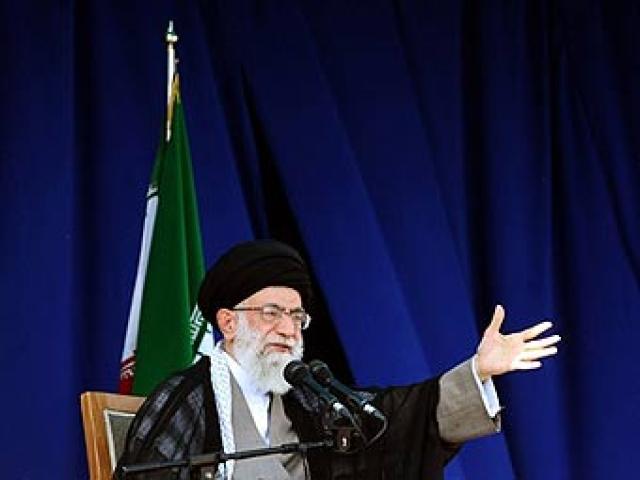
Khamenei frequently visited the front lines of the Iran-Iraq war as a representative of the parliamentary defense committee. In June 1981, Khamenei survived an assassination attempt but suffered a serious injury to his right hand when a bomb hidden inside a television camera exploded during his press conference. Two months after the assassination attempt on Khamenei, President Mohammad-Ali Rajai was killed in a terrorist attack. In the extraordinary presidential elections held in October, Khamenei received 95% of the votes and became the first clergyman to hold the presidency. Initially, Ayatollah Khomeini intended for the president of Iran to be someone with a secular education (such as lawyers Banisadr and Rajai), but due to Khamenei's popularity and his inclination towards military affairs, Khomeini revised his views. Immediately after Khamenei's election as president, repressions against counter-revolutionary forces began in Iran, in response to partisan and terrorist activities, especially active in the western provinces. Khamenei called for the elimination of "deviations from the course, liberalism, and pro-Americanism." Thousands of members of the anti-Islamic opposition were executed by revolutionary courts. State terrorism continued until 1982, when the government finally abolished the revolutionary courts. Khamenei led Iran for almost the entire Iran-Iraq war. Under his leadership, the Islamic Revolutionary Guard Corps evolved from a popular militia into an elite guard, earning Khamenei deep respect from the military. He was re-elected for a second term in 1985, receiving 85.7% of the votes. Khamenei's election replaced Ayatollah Khomeini in the highest state position. After the death of Ayatollah Khomeini on June 3, 1989, the Assembly of Experts elected Khamenei as the Supreme Leader. Initially, Ayatollah Ali Meshkini, Ayatollah Abdul-Karim Musavi, and Ayatollah Mohammad Reza Golpayegani proposed to the Assembly of Experts to replace the position of the Supreme Leader with a Higher Council, voting for all three candidates simultaneously. After the Assembly of Experts rejected their proposal, Ayatollah Golpayegani independently nominated himself but lost to Ali Khamenei, who received two-thirds of the votes. The principle of the leadership of the Islamic Shia clergy in state governance, which forms the basis of the Iranian state structure, is called Velāyat-e faqīh. In these conditions, no decision takes effect without the approval of the Supreme Leader (Vali-e faqih). Even a democratically elected candidate for a certain position requires the approval of the Supreme Leader. Khamenei significantly expanded the influence of the Supreme Leader, granting himself (as the Supreme Leader) some presidential powers related to the control of the Parliament, the presidential administration, the Council of Ministers, the judicial system, the Islamic Revolutionary Guard Corps, the mass media, the armed forces, intelligence, police, as well as various non-governmental organizations, funds, councils, and business communities. At the time of Khomeini's death, Ali Khamenei did not even have the title of Ayatollah, while the Iranian Constitution required the Supreme Leader to be a marja (a religious authority, interpreter of Islam).
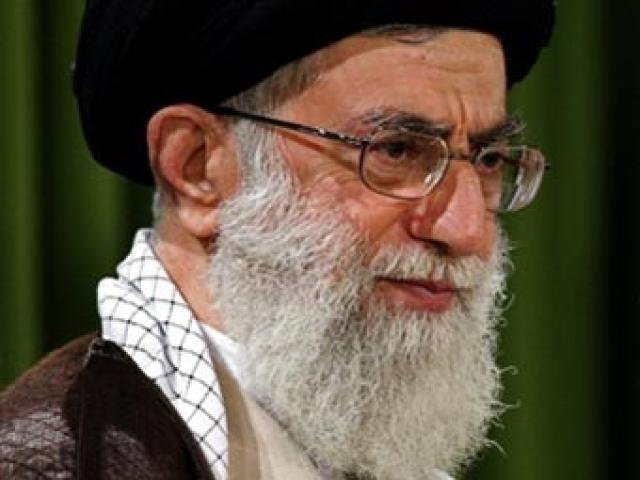
Ayatollah Khomeini was not satisfied with the potential candidates for his successors, so three months before his death, he appointed a commission to revise the constitution in such a way that the Supreme Leader could be "any expert in Islamic law with acceptable management skills." By June 4, the amendment to the constitution had not yet been approved in a referendum (a nationwide plebiscite was held on July 28), so the Assembly of Experts formally appointed Khamenei as the interim leader until the amendments come into force. At the same time, in just one night, Ali Khamenei "rose" in the Islamic hierarchy from Hojjat al-Islam to Ayatollah. Khamenei received the title of marja only in 1994. After the death of Mohammad Ali Araki, who held this title, the Society of Seminary Teachers of Qom declared Ali Khamenei as a marja. However, some ayatollahs, including the four Grand Ayatollahs, opposed it, including Mohammad Shirazi. Although obtaining this title requires the agreement of only a few ayatollahs, Khamenei refused to be a marja for Iranians, accepting the title of marja for Shiites outside of Iran. Ali Khamenei is traditionally considered the leader of the conservative movement in Iran. At the same time, Ayatollah Khamenei strongly supports scientific progress. He was among the first representatives of the Islamic clergy to approve research in the field of stem cells and therapeutic cloning. Ayatollah Khamenei pays great attention to the development of nuclear energy. According to him, "the reserves of oil and gas are not limitless." Khamenei advocates for accelerating the pace of economic privatization. In 2004, Article 44 of the Iranian Constitution was revised, which stated that infrastructure objects should be solely owned by the state. Criticizing the US is an integral part of Ayatollah Khamenei's public speeches. He criticizes the US leadership for its imperialist policies in the Middle East, support for Israel, aggression against Iran, and so on. Ayatollah Khamenei regards Israel as an illegal occupying regime. Thus, he supports the Palestinians' unwillingness to recognize the state of Israel. According to Khamenei, "if anyone in the Islamic world makes this mistake and officially recognizes this oppressive regime, in addition to bringing shame and contempt upon themselves, he will also carry out a futile action. Because this regime will not last long." Ali Khamenei is married and has four sons (Mohtaba, Mustafa, Masoud, Masayam) and three daughters (Bushra, Hoda, Allah). According to Khamenei's son-in-law, former speaker of the Majlis, Gholam-Ali Haddad-Adel, he leads an "ascetic lifestyle." Allah Khamenei resides in New York and is a US citizen. Khamenei is fluent in Persian and Arabic. He has translated several books from Arabic. He speaks Azerbaijani and English to some extent. He is interested in Persian poetry. In his youth, he was fond of football, but now he prefers hiking in the mountains in his free time.