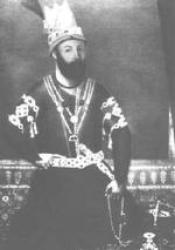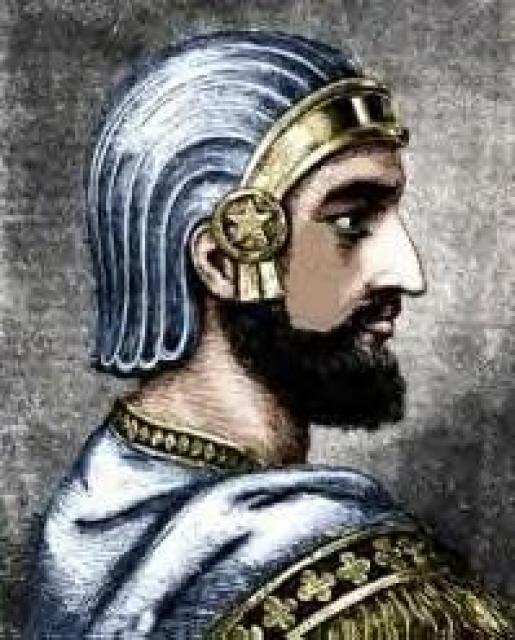
Cyrus the Great
 Iran
IranBiography of Cyrus the Great
IntroductionCyrus the Great was a Persian king who ruled from 559 to 530 BC. He was a member of the Achaemenid dynasty and is known as the founder of the Persian Empire. While much of his biography is based on the accounts of ancient historians like Herodotus and Ctesias, there are only a few original sources available. Despite this, Cyrus remains a significant figure in history and his accomplishments are widely recognized.
Early Life
Cyrus was born into the Achaemenid dynasty, which was founded by the legendary Achaemenes, a leading clan in the Persian Pasargadae tribe. His father was Cambyses I and his mother was possibly Mandana, the daughter of King Astyages of Media. The details of his childhood and youth are mostly based on legends, which often contradict each other. According to Herodotus, Cyrus was chosen as king during a childhood game, but one noble son refused to obey him and was punished. This led to a complaint by the boy's father to Astyages, who suspected that Cyrus might be his grandson due to the family resemblance. After interrogating a shepherd who had saved Cyrus from being killed as an infant, Astyages discovered the truth and spared Cyrus' life.
Rise to Power
In 559 BC, Cyrus became the leader of the Persian settled tribes, including the dominant Pasargadae. He formed an alliance with other tribes and rebelled against the Median Empire, which had control over Persia at the time. The war between Cyrus and Astyages, the Median king, lasted for three years. The final battle took place near Pasargadae, and Cyrus emerged victorious, capturing Astyages and taking control of the Median Empire. He then proclaimed himself king of both Persia and Media.
Conquests
After consolidating his power in Persia and Media, Cyrus expanded his empire by conquering neighboring regions. He captured Parthia and Armenia in 550-548 BC, followed by Elam in the same period. In 547 BC, he gained the support of Cilicia, a region in Anatolia, and received military aid from its people. Cyrus then set his sights on Lydia, an influential kingdom in Asia Minor ruled by King Croesus. Despite the initial resistance of the Greek cities in Ionia and Aeolis, Cyrus managed to capture the capital city of Sardis and defeated Croesus. This victory marked the end of Lydia's independence and its incorporation into the Persian Empire.
Legacy
Cyrus the Great is known for his military prowess and his ability to unite diverse tribes and kingdoms under his rule. He implemented a policy of religious and cultural tolerance, respecting the customs and beliefs of the conquered peoples. This approach earned him the admiration and loyalty of his subjects, leading to a relatively peaceful and prosperous empire. Cyrus' reign set the foundation for the Achaemenid Empire, which would become one of the largest and most influential empires in history. His legacy as a benevolent ruler and his respect for human rights are still celebrated today.