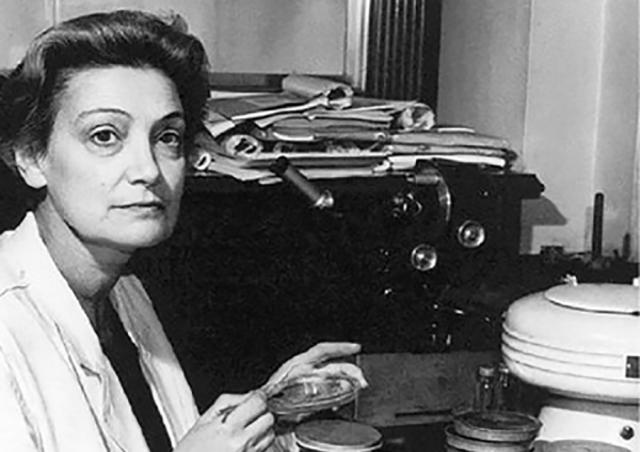
Amalia Fleming
 Greece
- Early Life and Education
- Resistance and Imprisonment
- Post-War Recognition
- Marriage and Return to Greece
- Political Activism and Human Rights Advocacy
- Imprisonment and Exile
- Later Career and Legacy
Early Life and Education
Amalia Fleming: A Greek Physician and ActivistAmalia Fleming was born on June 28, 1912, in Constantinople. Her father, Chalaris Koutsouris, was a renowned dermatologist whose practice was seized by the Turkish authorities during World War I, forcing the family to flee to Greece.
Amalia pursued her medical studies at the University of Athens, specializing in bacteriology. She furthered her education in Paris and London. After graduating, she served in a municipal hospital in Athens.
Resistance and Imprisonment
Amalia Fleming: A Hero of the ResistanceDuring the Axis occupation of Greece in World War II, Amalia actively participated in the National Resistance movement. She was arrested and imprisoned by Italian authorities for her involvement.
Post-War Recognition
Amalia Fleming: A Collaborator with Alexander FlemingAfter the war, Amalia's contributions to the Resistance were recognized by British authorities. She received a scholarship and employment at the Wright-Fleming Institute of Microbiology in London, led by Nobel laureate Alexander Fleming. In 1949, she returned to Athens to work at the Evangelismos Hospital.
Marriage and Return to Greece
Amalia Fleming: The Widow of a Nobel LaureateIn 1953, Amalia married Alexander Fleming, but he passed away less than two years later. In 1963, she returned to Greece and collaborated with Roland Barthes to help exiled writer Periklis Koroveisis and actress Kitty Arseni escape.
Political Activism and Human Rights Advocacy
Amalia Fleming: A Fighter for JusticeDuring the military junta's regime, Amalia's activism continued. She helped establish the Greek Fund of Fundamental Biological Research, an organization dedicated to scientific research. She joined the Panhellenic Socialist Movement and was elected to parliament three times.
Imprisonment and Exile
Amalia Fleming: A Victim of Political OppressionIn 1971, Amalia was arrested for allegedly aiding the escape of a political prisoner. She was subjected to torture and abuse, but refused to sign a false confession. She was sentenced to 16 months in prison and ultimately released and exiled from Greece for health reasons.
Later Career and Legacy
Amalia Fleming: A Champion of FreedomAfter the fall of the junta, Amalia Fleming returned to Greece and continued her political and humanitarian work. She was a member of several human rights organizations, including Amnesty International. In 1986, she passed away in Athens, and an Athens hospital was named in her honor. Amalia Fleming's legacy as a physician, activist, and fighter for justice endures to this day.


