
Andrew Pulsipher
 USA
USABiography of Andrew Pulsipher
Andrew Pulsipher is a HIV-positive father of three children, who is currently advocating for a change in the perception towards HIV-infected individuals.
Early Life and Family

Andrew Pulsipher was born HIV-positive and grew up in a loving family with his aunt, uncle, and their four children, who he considered as his parents and siblings. He had a relatively normal childhood, with only a few close relatives and friends knowing about his HIV status. Both of Andrew's parents passed away from AIDS-related complications when he was still young - his father when he was four and his mother when he was eight. Despite this, none of Andrew's siblings were found to be HIV-positive, and he believes that the virus stopped with him.
Fighting the Stigma

After meeting his future wife, Victoria, Andrew initially kept his HIV status a secret from her. However, he eventually mustered the courage to tell her the truth. Victoria's reaction was understanding and supportive, and their relationship grew stronger. After being married for five years, they discovered that the risk of transmitting the virus to their child or Victoria was minimal. When their daughter was born, Andrew learned that his HIV infection had reached an "undetectable" level.
Advocacy and Awareness

Andrew and Victoria hope that sharing their story will help raise awareness about HIV and challenge misconceptions about the disease. Andrew believes that HIV is a manageable condition and wants to educate people to change the narrative from "How did you get infected?" to "How do you continue living with it?" He urges HIV-positive individuals to share their stories and participate in activities that promote open discussions about HIV.
HIV and Healthy Children
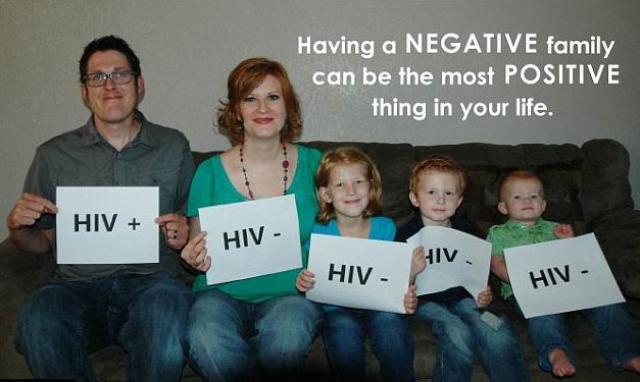
To have healthy children, HIV-positive individuals have several options. One solution is a procedure called sperm washing, where sperm cells are concentrated and separated from the seminal fluid. This allows HIV-negative women to undergo artificial insemination with reduced risk of transmission. However, there is still a theoretical risk of transmission, and not all couples choose this option. HIV-positive women who are still capable of giving birth can take antiretroviral drugs during pregnancy or undergo mono- or combination antiretroviral therapy before conceiving.
Conclusion
Andrew Pulsipher's openness about his HIV status has received praise and support from hundreds of people, including friends and family. By sharing his journey, he hopes to inspire others and change the way society perceives HIV. Andrew believes that living with HIV is not a death sentence, and he wants to educate people about the reality of the disease and encourage a more compassionate and informed approach towards HIV-infected individuals.