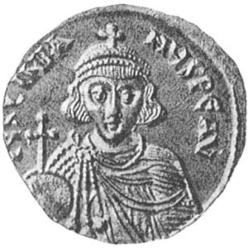
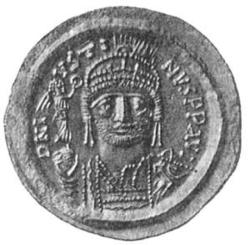
Andronik III
 Greece
- Childhood and Early Influences
- Rebellious Youth and Political Ambitions
- Fratricide and Conflict with his Grandfather
- Rebellion and Civil War
- Co-Emperorship and Final Victory
- Wars with Turkey and Bulgaria
- Later Years and Legacy
Childhood and Early Influences
Andronicus III Palaeologus, the future Byzantine emperor, was born into a royal family in Constantinople. His grandfather, Emperor Andronicus II, reportedly adored him and held him in such high esteem that he would have "exchanged all his sons, daughters, and grandchildren, both legitimate and illegitimate" for Andronicus III alone. This doting affection stemmed from the young prince's physical beauty, virtuous character, and namesake. The emperor provided Andronicus III with a luxurious upbringing, showering him with admiration and attention.
Rebellious Youth and Political Ambitions
As Andronicus III matured, he fell under the sway of hedonistic companions who led him astray into a lifestyle of revelry and indulgence. To fund his lavish expenditures, he turned to the Genoese merchants in Galata, accumulating significant debts.
From an early age, Andronicus III yearned for power. He chafed under his grandfather's authority and sought independence to bestow lavish gifts upon himself and others. Initially, Andronicus II remained oblivious to his grandson's vices, but a tragic incident opened his eyes.
Fratricide and Conflict with his Grandfather
In a fit of jealousy over a courtesan, Andronicus III ordered his assassins to kill her lover. However, in a tragic error, they mistook his brother, Manuel, for the target and murdered him. This shocking event, followed by the untimely death of Andronicus III's father, Emperor Michael, strained relations between the two emperors. Andronicus II considered disinheriting his grandson and exposing his misdeeds before the patriarch and senate.
Rebellion and Civil War
Andronicus III, learning of his grandfather's intentions, fled the capital and gathered a loyal army with the help of his supporters, Syrgian and John Kantakouzenos. They promised to release Thracian cities from taxation, enlisting the locals to their cause. Andronicus III marched on Constantinople, forcing Andronicus II to cede control of Thrace and Macedonia while retaining the capital and islands.
Co-Emperorship and Final Victory
In 1325, Andronicus III returned to the capital and forced his grandfather to declare him co-emperor. However, he feared that Andronicus II would still pose a threat, so within three years, he decided to seize power definitively. This time, the people, senate, and even Andronicus II's close associates defected to his side. With little bloodshed, he took control of Thessaloniki and, despite his grandfather's feeble resistance, entered Constantinople. Andronicus II was deposed but retained the imperial title.
Wars with Turkey and Bulgaria
In 1329, Andronicus III led a military campaign against the Turkish sultan, Orhan, who had besieged Nicaea. However, the Byzantine army, composed largely of civilians, was outmaneuvered and defeated at the Battle of Philokrine. Andronicus III's flight from the battle led to the collapse of his army and the loss of Nicaea. Civil unrest in Bulgaria provided an opportunity for Andronicus III, but he was defeated at Rusokastro by King Alexander. Only the king's mercy prevented his capture.
Later Years and Legacy
In 1337, Andronicus III conquered Epirus, but this triumph was soured by ill health. He died soon after, leaving behind a record of military prowess, territorial expansion, and a charismatic personality. Grigoras, the Byzantine chronicler, described him as handsome, amiable, and independent-minded, preferring to rely on his own judgment and knowledge. Despite his imperial status, he was unassuming and had little use for royal pomp and circumstance. Instead, he found solace in hunting, dogs, and birds. Andronicus III died in 1341 with the belief that human life was ultimately in the hands of divine providence.