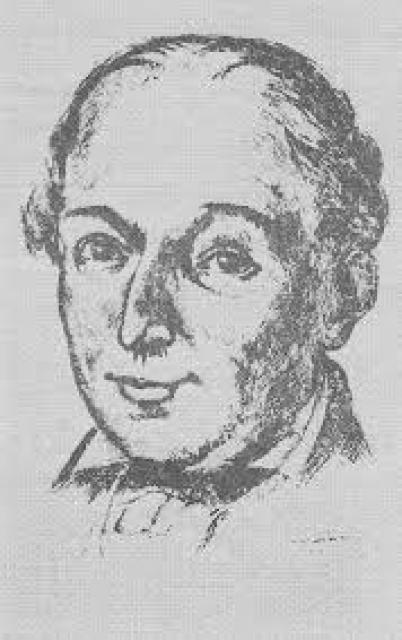
Antonio Guadagnoli
 Italy
ItalyItalian Poet and Political Activist
Early Life and InfluencesGiuseppe Giusti, an eminent Italian poet of the 19th century, was a significant figure in the country's liberation movement during the 1830s and 1840s. His writing, known for its humorous and satirical nature, poked fun at political issues.
Inspired by the works of Francesco Berni and, to a lesser extent, Pierre-Jean de Béranger, Giusti's poetry possessed a light and relatable style. His witty verses connected with the Italian public, earning him widespread popularity that persists to this day.
Political Poetry
Giusti's political activism found expression in his penmanship. His poems reflected his staunch opposition to the oppressive Austrian regime that ruled parts of Italy. He dared to criticize the ruling classes, the clergy, and the bourgeoisie with equal fervor.
Musa Toscana
One of Giusti's most famous collections is titled "Musa Toscana," which debuted in 1843. Its contents mocked the Austrian government and celebrated the Tuscan people's resistance. The book faced censorship due to its overtly political nature, further enhancing Giusti's reputation as a champion of Italian independence.
Later Years and Legacy
In his later years, Giusti's focus shifted towards writing sonnets and political satires. His work continued to inspire fellow revolutionaries and advocate for a unified and independent Italy.
Giusti's legacy lives on in Italian literature. His poetry remains a testament to the power of satire and humor in shaping political discourse. His accessible style and fearless criticism have made him one of the most beloved poets in Italian history.